


Introduction to SB 721
The California Senate Bill 721, also known as the "Balcony Bill," is a crucial piece of legislation that aims to enhance the safety and structural integrity of buildings with exterior elevated elements, such as balconies, decks, walkways, and staircases. This law was enacted in response to tragic incidents resulting from structural failures in these elements. SB 721 mandates regular inspections and necessary repairs, ensuring occupant safety and preventing future accidents.
Why SB 721 Matters
The repercussions of not complying with SB 721 can be severe, both in terms of safety hazards and legal liabilities. As a property owner or manager, understanding the intricacies of SB 721 compliance repair is fundamental to protecting your investment and the well-being of your occupants.
What SB 721 Requires
SB 721 mandates that apartment buildings with three or more units undergo regular inspections of their exterior elevated elements. This includes all elements more than 6 feet above the ground that are designed for human occupancy or use, emphasizing safety in structural design and maintenance.
Key Inspection Requirements:
- Frequency: Inspections must occur every six years.
- Scope: Inspections must cover waterproofing conditions, structural support, and the existence of signs of water intrusion or decay.
- Professional Involvement: Inspections must be conducted by a qualified professional, such as a licensed architect, structural engineer, or a building contractor holding a "B" license.
Steps to Achieve SB 721 Compliance
Achieving compliance with SB 721 involves a systematic approach that addresses both the inspection and the necessary repair phases.
Step 1: Schedule Regular Inspections
Start by scheduling your property’s initial inspection with a certified professional. Early inspections allow for addressing any potential issues before they become critical.
Step 2: Documentation and Reporting
After inspection, you'll receive a detailed report highlighting any deficiencies. This report should be meticulously reviewed and included in your property’s maintenance records. Maintaining thorough documentation helps in tracking compliance and assisting with future inspections.
Step 3: Perform Necessary Repairs
Repairs must focus on rectifying any identified issues. This includes mitigating water intrusion, replacing decayed materials, and reinforcing structural components. It's crucial to act promptly on repair recommendations to ensure the safety of the structure.
Top Service Providers for SB 721 Compliance
Choosing a reputable service provider is vital to ensure thorough compliance with SB 721. Here’s what to look for in service providers:
- Expertise: Providers should have extensive experience in building inspections and repairs, especially for exterior elevated elements.
- Certifications: Verify their licenses and certifications to confirm qualifications.
- References: Request and check references to gauge past performance and reliability.
Benefits of SB 721 Compliance
Ensuring compliance with SB 721 extends beyond merely adhering to legal requirements. It offers multiple benefits that can significantly impact property management.
- Enhanced Safety: Regular inspections and timely repairs enhance the structural safety of your property, thus ensuring the occupants' well-being.
- Property Value: Well-maintained properties attract more tenants and maintain or increase in value over time.
- Legal Protection: Compliance reduces the risk of lawsuits associated with accidents due to negligence or failure of structural elements.
Common Challenges and Solutions
Despite the benefits, property owners may face challenges in implementing SB 721 compliance.
Common Challenges:
- Scheduling Inspections: Aligning inspection schedules with tenants' convenience can be problematic.
- Cost Management: Budgeting for inspections and repairs can strain resources, particularly for smaller property managers.
Practical Solutions:
- Early Planning: Schedule inspections well in advance and notify tenants to minimize disruptions.
- Financial Planning: Establish a maintenance reserve fund specifically for SB 721 compliance activities, smoothing out financial impact.

FAQ on SB 721 Compliance Repair
What does SB 721 entail?
SB 721, also known as the Balcony Inspection Bill, mandates periodic inspections for balconies, decks, stairways, and other elevated structures for multi-family residential buildings. This legislation was introduced in response to several high-profile structural failures in California. SB 721 compliance repair ensures that properties are maintained safely and reduces the risk of significant structural failures.
Who needs to comply with SB 721?
Property owners of multi-family residential buildings with three or more units are required to comply with SB 721. The law specifically targets those structures containing wood-framed exterior elevated elements. Owners must conduct inspections and undertake necessary SB 721 compliance repairs to ensure occupant safety and meet legal requirements.
How often do inspections need to be conducted under SB 721?
Inspections are required every six years for the applicable structures. This regular inspection requirement ensures ongoing safety and compliance with SB 721. By maintaining this schedule, property owners can proactively address repair needs and avoid penalties associated with non-compliance.
What are the penalties for failing to comply with SB 721?
Failure to comply with SB 721 can result in civil penalties. Property owners who do not perform the required inspections or undertake necessary SB 721 compliance repairs risk incurring fines that can increase with continued non-compliance. It’s crucial for building owners to adhere to the timelines and requirements set forth by the law to avoid these penalties.
Who is qualified to perform an SB 721 inspection?
Inspections under SB 721 must be conducted by a licensed architect, civil or structural engineer, or a certified building inspector. These professionals have the expertise to evaluate the safety and structural integrity of the building’s elevated elements, ensuring that all SB 721 compliance repairs are identified and appropriately addressed.
What does an SB 721 inspection involve?
An SB 721 inspection involves a thorough examination of exterior elevated elements constructed with wood framing. Inspectors look for signs of moisture intrusion, decay, and other conditions that compromise structural integrity. Following the inspection, a report will detail any findings and outline necessary SB 721 compliance repairs, helping owners understand the extent of work required.
How should property owners prepare for an SB 721 inspection?
Property owners should begin by compiling all relevant documentation regarding the construction and maintenance of their elevated structures. This includes original construction plans, previous inspection reports, and records of past repairs. Understanding the building's history will help facilitate the inspection process and ensure all necessary SB 721 compliance repairs are completed efficiently.
What happens if an inspection reveals the need for repairs?
If an inspection identifies defects or unsafe conditions, property owners are responsible for undertaking the necessary SB 721 compliance repairs. The repairs should be performed by qualified professionals to meet legal standards and deadlines. Owners must also file proof of repairs, accompanied by a compliance certificate, with their local enforcement agency.
Are there financial aid options available for SB 721 compliance repairs?
Some local governments may offer assistance programs or incentives to help property owners with the financial burden of SB 721 compliance repairs. Additionally, certain types of property insurance might cover some repair costs. It's advisable for property owners to explore these options to alleviate the financial impact while maintaining compliance.
Do all elevated elements on a property require inspection?
Under SB 721, specific attention is required for exterior elevated elements that are primarily constructed with wood framing and are more than 6 feet above ground level. While the law targets these structures due to their vulnerability, it’s also beneficial for owners to maintain all elevated elements on their properties proactively. This practice minimizes risks and supports overall building safety.

Standards & Regulations
Relevant Building Codes
SB 721, often referred to as the Balcony Bill, primarily addresses the safety standards for balconies and other load-bearing elevated exterior elements. It mandates regular inspections to ensure their structural integrity. Compliance typically means aligning with California Building Code (CBC) requirements. The CBC outlines precise construction standards, particularly in sections concerning exterior elements. It's crucial to refer to Chapters 16 and 23 of the CBC which cover structural integrity and wood construction standards respectively, ensuring materials and workmanship meet the necessary safety and durability requirements.
Legal Requirements
Under SB 721, property owners have until January 1, 2025, to inspect all potentially affected structures built before January 1, 2019. Inspections must be performed by a licensed architect, structural engineer, or general contractor with specific experience, verifying that decks, balconies, stairways, and other similar structures are safe. If deficiencies are found, repairs must follow compliance guidelines and utilize durable and suitable materials as prescribed by the professional assessing the risks. The legal text emphasizes the importance of following specific repair timelines once defects are noted—60 days for emergency repairs and 120 days for typical repairs—highlighting the urgent nature of addressing safety concerns.
Industry Standards
In terms of industry specifics, SB 721 compliance taps into established norms from various construction and safety organizations. For example, the National Association of Home Builders (NAHB) and ASTM International provide relevant standards that ensure practices are up to par in terms of materials and installation methods. The ANSI/ASHRAE standards might also come into play when considering the broader implications of ventilation and structural health.
Permit Requirements
Permits are an essential piece of the SB 721 puzzle. Depending on the extent of repairs required, property owners must acquire the appropriate construction permits from local jurisdictional authorities. Most likely, a licensed structural engineer will specify the necessity for these permits, usually required for extensive structural repairs that affect the external load-bearing integrity of a building. It’s critical to check with local city departments as requirements can vary widely from city to city.
Compliance Considerations
Proper documentation is key to SB 721 compliance. Ensuring all inspection reports and repairs are well documented and easily accessible for future reference or governmental audits is advisable. Hiring a registered design professional will help navigate nuances in the code and guarantee all aspects are up to current safety and quality standards.
Warranty/Insurance Implications
Once repairs are complete, re-evaluating your insurance policy and warranty agreements is wise. Many insurance providers may offer reduced premiums for demonstrating compliance, as the perceived risk of structural failure decreases significantly with SB 721 adherence. Additionally, warranties on repair work can vary, so it’s important to negotiate terms that align with the quality and lifespan expectations of the new or repaired structures. Engaging a reliable contractor who offers a substantial warranty could protect against future issues and guarantee maintenance support.
Cost Breakdown
Typical Price Ranges
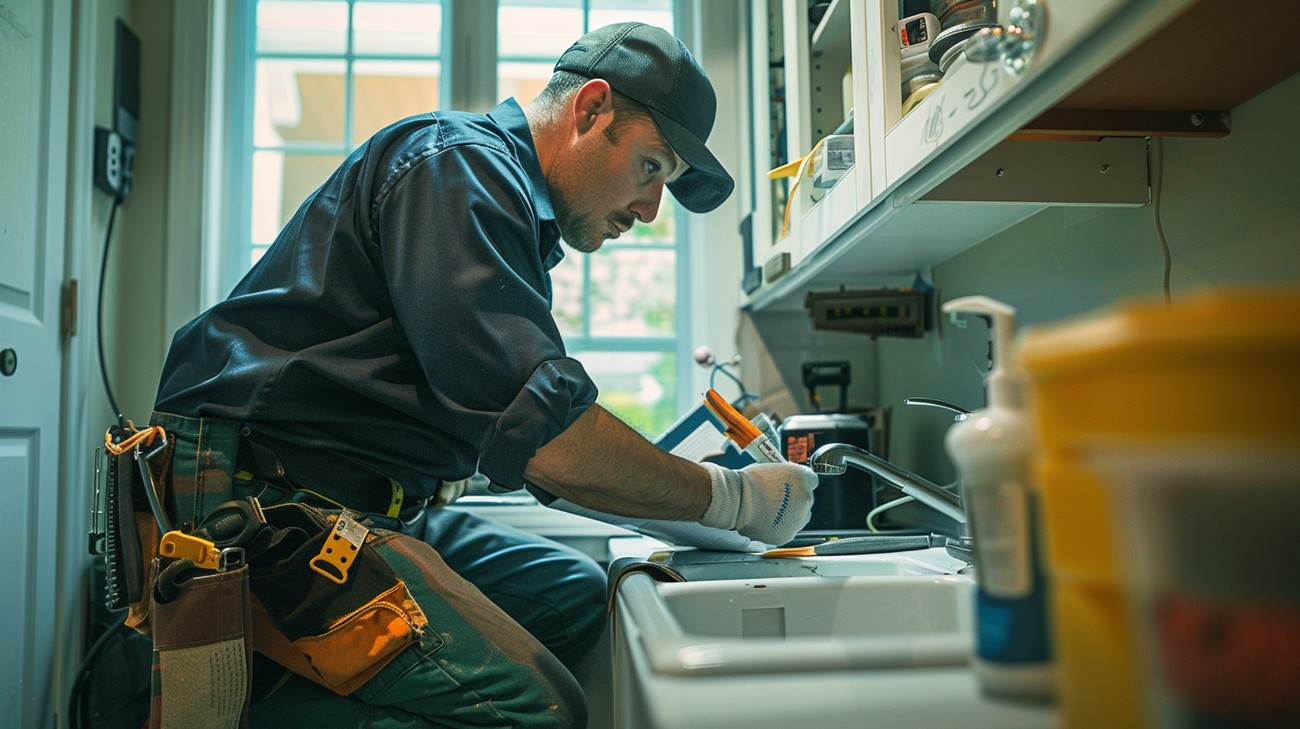
Compliance with California's SB 721 law can be a costly endeavor, primarily depending on the extent of the deck, balcony, and elevated walkway repairs. On average, expect costs to range between $500 to $1,500 per unit for inspection alone. Repair costs can skyrocket depending on the severity of damages and necessary corrective actions. Minor repairs might hover around $3,000 to $5,000, whereas more complex structural repairs could escalate beyond $15,000 or more for each affected unit.
Factors that Affect Cost
Several factors can influence the total cost of SB 721 Compliance Repairs:
Extent of Damage: The most significant factor is the actual condition of your property’s decks and balconies. The worse the damage, the higher the cost.
Materials Used: Opting for premium materials like high-grade wood or weather-resistant composites can drive up expenses, while using standard materials might reduce costs.
Labor Costs: The region you are located in affects labor rates. Urban areas may have higher labor costs compared to rural regions.
Inspector and Contractor Fees: The cost will vary based on who you hire. More experienced professionals might charge more, but they could save you money in the long run with precise work and fewer errors.
Permit Fees: Don't forget about the costs associated with obtaining necessary construction permits, which vary by municipality.
Cost Comparison: Budget vs. Premium Options
Choosing between budget options and premium finishes will depend largely on your financial tolerance and long-term plans for the property.
Budget Option: Using basic materials and finishes could keep your costs on the lower side. For instance, choosing treated pine rather than redwood trim could shave a decent amount off your expenses without compromising safety.
Premium Option: Conversely, opting for composite decking or enhanced protective measures will increase costs but could offer longevity and a better return on investment due to reduced maintenance expenses over time.
Hidden Costs to Consider
There could be unexpected expenses lurking in the shadows. Be vigilant for:
Additional Repairs: Once work begins, contractors might uncover hidden issues requiring immediate attention, like rotting substructures or non-compliant old repairs.
Living Disruptions: If repairs are extensive, consider potential temporary relocation costs for tenants, which add to your financial obligations.
Time Delays: Extend the scope of a project, and labor costs can increase, especially if the project runs over the anticipated timeline.
Ways to Save Money
It's possible to manage costs and still maintain compliance with a few strategic decisions:
- Bulk Discounts: If you have multiple properties or significant damage, negotiate with contractors for bulk repair pricing.
- Regular Maintenance: Conducting routine inspections and maintenance can help catch smaller problems before they evolve into costly repairs.
- Get Multiple Quotes: Don’t settle on the first contractor; seek several quotes to ensure you're getting competitive pricing.
- Consider Phasing Repairs: If the budget is tight, plan repairs in phases over time to stagger your expenses.
Final Thoughts
Making sure your property is compliant with SB 721 is essential for safeguarding your investment and ensuring the safety of everyone who occupies your building. It’s not just about meeting legal requirements; it’s about giving peace of mind to your tenants and guests. We understand the nuances of SB 721 Compliance Repair, and we’re here to guide you through the necessary steps to keep your property safe and sound.
If you’re ready to tackle these repairs or have questions about compliance in the Sacramento, CA area, don’t hesitate to reach out to us at GVD Builders & Construction. We’d be happy to provide a thorough assessment and help you create a plan that works for your needs. Your property deserves the best, and we’re just a phone call away!
The content provided here is intended for informational purposes only and should not be considered professional advice. We recommend consulting with a qualified specialist before making any decisions related to your project. Pricing, product availability, and specifications are subject to change without notice. Any references to specific brands or products represent our opinions and do not constitute official endorsements or guarantees of performance.


