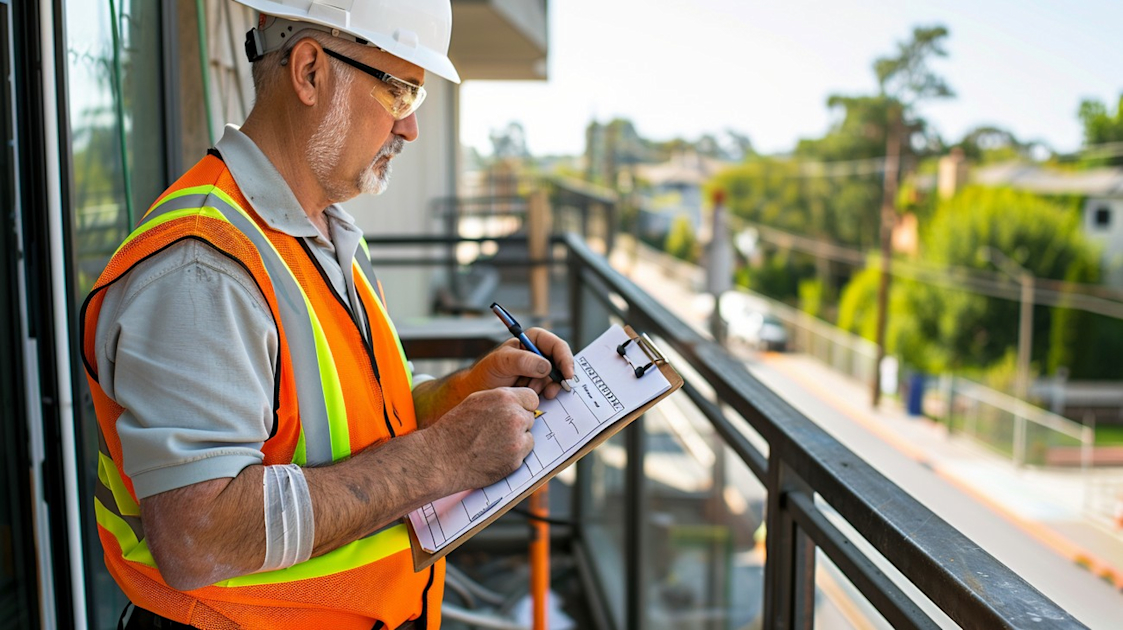


In the world of construction and real estate, staying compliant with regulations is crucial to ensure safety, sustainability, and legality. One regulation that has been garnering attention is SB 326 compliance repair. If you're involved in property management, construction, or homeowners association operations, you may have heard of SB 326, a California State regulation focused primarily on enhancing building safety standards. This blog post will guide you through everything you need to know about SB 326 compliance repair, helping you navigate the requirements with ease.
What is SB 326?
SB 326, or Senate Bill 326, is legislation enacted in California with a particular focus on ensuring the structural integrity of condominium complexes and multi-family residential properties. Introduced as a response to concerns about aging infrastructure, SB 326 mandates regular inspections of balconies, decks, and other load-bearing components of multifamily residential structures.
The goal of SB 326 is to prevent structural failures that could lead to severe injuries or fatalities. Understanding this regulation is vital for property managers and owners who must ensure their buildings comply with the law.
Key Components of SB 326
The legislation outlines several critical components that property owners and managers need to be aware of:
Inspection Requirements: SB 326 mandates that all exterior elevated elements (EEEs) such as balconies and walkways in multifamily properties with three or more units be periodically inspected by qualified professionals.
Documenting Inspections: Inspections and their results must be documented thoroughly, and any repairs found necessary during inspections must be conducted promptly to remain in compliance.
Inspection Frequency: Properties must undergo these inspections every three years, ensuring that any potential issues are caught and addressed in a timely manner.
Importance of SB 326 Compliance
Complying with SB 326 is not just a matter of legal obligation. The compliance process is fundamental for several important reasons:
Safety Assurance: Regular inspections ensure that buildings are safe for residents and visitors, significantly reducing the risk of accidents and structural failures.
Property Value Maintenance: Compliance helps maintain and potentially increase the property’s market value. A well-maintained property is more appealing to potential buyers or renters.
Legal Protection: Complying with SB 326 protects property owners from legal repercussions that can arise from negligence claims if structural failures occur.
The Inspection Process: What to Expect
When preparing for an SB 326 compliance inspection, understanding the process will help you ensure everything runs smoothly. Here's a breakdown of what typically happens during these inspections:
Initial Assessment: A professional inspector evaluates the condition of exterior elevated elements. This includes visual checks and potential deep-dive inspections into less-visible structural components.
Documentation: Inspectors document their findings, including any areas of concern or elements needing repair. These documents are crucial for record-keeping and future reference.
Repair Recommendations: If the inspection reveals issues, the report will include recommendations for necessary repairs. These must be addressed promptly to maintain compliance and ensure safety.
Follow-Up Inspections: After repairs, a follow-up inspection may be necessary to confirm that all issues have been resolved.
Preparing for SB 326 Compliance
Preparation is key to smooth compliance with SB 326. Here's how you can prepare:
Schedule Regular Inspections: Set reminders for the inspection timelines to prevent last-minute rushes, ensuring inspections are conducted as required.
Hire Qualified Professionals: Ensure that the professionals conducting the inspections are qualified and experienced in dealing with SB 326 compliance.
Maintain Thorough Records: Keep detailed records of all inspections, maintenance, and repairs as documentation is vital for compliance verification.
Common Challenges in SB 326 Compliance
While the process may seem straightforward, there are common challenges that property owners and managers may face:
Finding Qualified Inspectors: It can sometimes be challenging to find reliable and experienced inspectors. Building relationships with professional inspectors early on can ease this process.
Cost Concerns: Repair costs can be a concern, especially in older buildings. Planning and budgeting for potential repairs ahead of time can alleviate financial stress.
Coordination with Contractors: Efficient communication and coordination with repair contractors are essential to meet deadlines and ensure quality work.
Managing Repairs Effectively
Managing repairs effectively is crucial in maintaining compliance. Here are some tips to streamline the process:
Create a Detailed Plan: Before starting any repair work, create a detailed plan outlining timelines, responsibilities, and expected outcomes.
Communicate with Residents: Keep residents informed about inspection and repair schedules to minimize inconvenience.
Evaluate Repair Options: Consider multiple solutions and evaluate the cost and longevity of repair methods suggested by contractors.
Best Practices for Ongoing Compliance
For ongoing compliance with SB 326, consider adopting the following best practices:
Regular Training and Updates: Keep your team informed about SB 326 updates and best practices through regular training sessions.
Implement Proactive Maintenance: Adopt a proactive maintenance schedule to address minor issues before they escalate into major repairs.
Leverage Technology: Use technology for maintaining records, scheduling inspections, and tracking repair progress efficiently.

SB 326 Compliance Repair FAQ
Why is SB 326 Compliance Repair important?
SB 326 Compliance Repair is essential because it ensures the safety and structural integrity of balconies, decks, and other elevated exterior elements in condominiums. The law was enacted to prevent accidents and failures, which can lead to severe damage and potential loss of life. By adhering to SB 326 regulations, homeowners' associations (HOAs) can ensure that their properties meet the required safety standards, thus protecting residents and avoiding costly liability issues.
Who needs to comply with SB 326?
SB 326 applies specifically to California condominium associations. Any multi-family residential buildings with three or more units must comply with this law. The requirement primarily targets HOAs that oversee the maintenance and inspection of exterior elevated elements like decks, walkways, and balconies. It is their responsibility to ensure that these structures are in compliance with SB 326 to ensure the safety of residents.
What does SB 326 Compliance Repair entail?
SB 326 Compliance Repair involves a thorough inspection of elevated exterior elements, such as balconies and walkways. These inspections must be conducted by a qualified licensed structural engineer or architect. The process includes checking for signs of deterioration, assessing structural integrity, and determining whether any repair or replacement is necessary. Any identified issues must be addressed promptly to retain compliance, guaranteeing that all structures are safe for continued use.
How often are inspections required under SB 326?
Inspections required under SB 326 must be completed every nine years. The initial inspection should have been conducted by January 1, 2025. This recurring inspection schedule is designed to ensure that potential issues are identified and rectified before they can lead to larger problems or safety concerns. By sticking to this schedule, associations can maintain compliance with SB 326 and continue to provide safe living environments for their residents.
What happens if an HOA fails to comply with SB 326?
If an HOA fails to comply with SB 326, they could face serious legal and financial repercussions. The lack of compliance could lead to fines and increased liability in the event of an accident stemming from any non-compliant structural elements. Furthermore, insurance providers might refuse coverage for claims related to these structures if they are not maintained according to state standards. This emphasizes the importance of timely inspections and repairs to maintain SB 326 compliance.
What costs are associated with SB 326 Compliance Repair?
The costs associated with SB 326 Compliance Repair will vary depending on the size and condition of the property. Typical expenses might include inspection fees by a licensed professional, repair or replacement costs for any deteriorated materials, and potential engineering assessments if further analysis is needed. Although these costs can be significant, they are often offset by the long-term savings derived from preventing structural failures and avoiding costly repairs or legal liabilities later on.
How can a community prepare for SB 326 Compliance Repair?
A community can prepare for SB 326 Compliance Repair by setting aside a sufficient budget for inspections and any necessary repairs. HOAs should engage with qualified structural engineers or architects well in advance to schedule inspections before deadlines approach. It is also helpful to maintain a log of all inspections, repairs, and upgrades undertaken, ensuring thorough documentation in the event of any compliance reviews or audits. Engaging openly with residents about the process can also help manage expectations and support collaborative community efforts toward compliance.
Are there any exceptions to SB 326?
Generally, SB 326 applies to all relevant residential properties with three or more units under an HOA. However, the law does offer certain exemptions. For instance, if a condominium building has recently completed similar inspections within a defined timeline with professional documentation, it might fulfill or defer the immediate inspection requirement. Associations should closely review the legislation and engage legal or professional consultation to determine if their specific circumstances meet exemption criteria.
What are the common challenges faced during SB 326 Compliance Repairs?
HOAs often encounter several challenges during SB 326 Compliance Repairs, including coordinating inspections without disrupting residents, finding skilled professionals capable of meeting the law’s standards, and addressing unexpected repair costs. Another common challenge is balancing the need for immediate repairs with budget constraints since some issues may require prompt attention to meet compliance standards. Associations need to plan ahead, communicate openly with residents, and carefully manage finances to tackle these challenges effectively.
Standards & Regulations
Relevant Building Codes
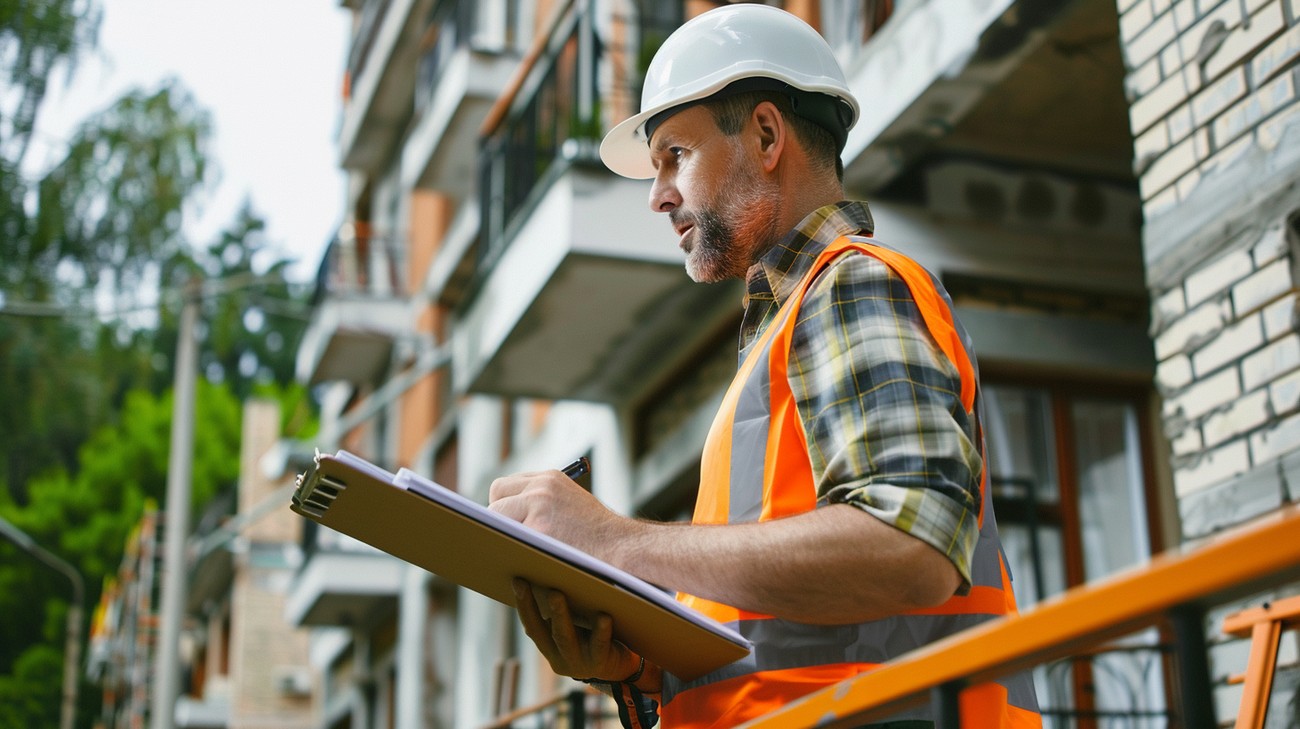
California is at the forefront when it comes to enforcing rigorous building codes. The law mandates that External Elevated Elements (EEE) such as balconies, decks, and stairways must be inspected every six years. These inspections must comply with standards outlined in the California Building Code (CBC). Specifically, the latest versions of the California Residential Code (CRC) and the California Building Standards Code provide detailed guidance on structural safety and materials used.
Legal Requirements
SB 326 is particularly aimed at California's multi-family housing sector, requiring that inspections are conducted by a licensed structural engineer or architect. The law also necessitates that any repair work discovered during these inspections must be undertaken promptly to prevent further deterioration or risk to safety. These repairs must adhere to local building ordinances and codes to ensure they meet the state’s stringent safety requirements.
Industry Standards
While SB 326 sets the legal framework, industry standards from organizations like the American Society of Civil Engineers (ASCE) and ASTM International further guide the materials and methods used in repairs. These standards help define best practices for ensuring the longevity and safety of construction elements like balconies and decks, providing guidelines for corrosion resistance, load-bearing capacity, and durability.
Permit Requirements
Obtaining permits is a fundamental step in the SB 326 compliance process. Most municipalities in California require a building permit before any significant repair work begins. In addition, any modifications made to the structure of a building must pass a review by local building officials to ensure that they meet all safety and design criteria. Permit requirements vary by jurisdiction, so it's advisable to consult local city or county building departments for specific details.
Compliance Considerations
Navigating compliance involves understanding not just state and local laws but also recognizing the potential nuances in regulation based on building location and type. A condominium complex in Los Angeles might face different compliance nuances than a similar building in a smaller town. Staying updated with changes in local regulations and upcoming inspections schedules is essential for property managers and homeowners associations responsible for SB 326 compliance.
Warranty/Insurance Implications
Warranty and insurance considerations play a significant role in SB 326 compliance repairs. Many insurance companies may deny claims or increase premiums for buildings not compliant with SB 326. Additionally, any material or structural failure arising from non-compliance can lead to costly legal liabilities and voided warranties. Ensuring that repairs meet both manufacturer warranties and compliance standards is essential to mitigate these risks.
Cost Breakdown
Typical Price Ranges
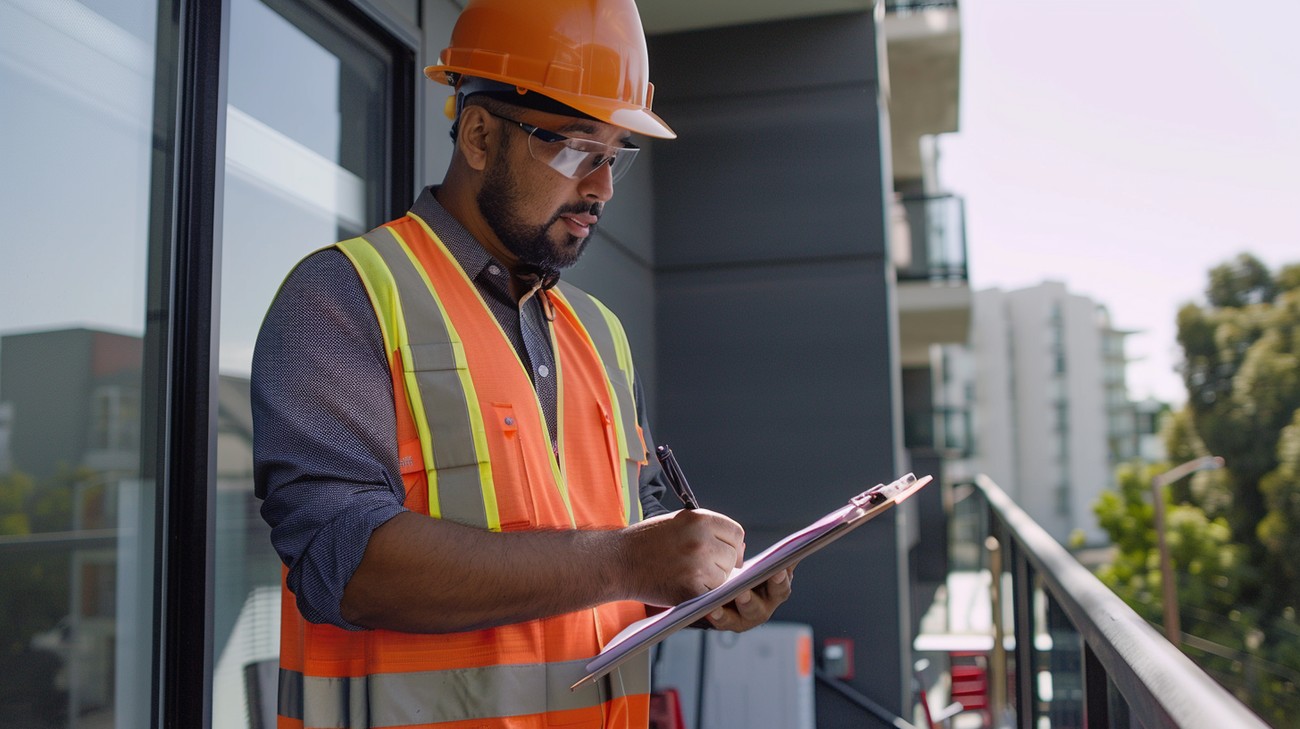
The cost for SB 326 compliance repair varies widely depending on several factors. On average, inspections might cost between $500 and $2,500 per balcony, walkway, or other EEEs. The repairs can significantly range in costs from as low as $1,000 to upwards of $15,000, depending entirely on the extent of wear and tear or damage discovered.
Factors That Affect Cost
Scope of Work: The extent of repair needed plays a huge role. Minor touch-ups will naturally cost less than extensive structural overhauls.
Size and Number of EEEs: Larger buildings with numerous balconies or walkways will incur higher overall costs compared to single or smaller units.
Materials Used: The choice of materials affects costs. High-quality, durable materials will be more costly upfront but might save money in the long term with less frequent maintenance.
Labor Rates: Depending on your location, labor rates can vary. Urban areas may have higher costs due to demand and living expenses.
Accessibility: If your EEEs are difficult to reach, expect higher costs due to specialized equipment or additional labor hours required.
Cost Comparison (Budget vs. Premium Options)
When it comes to SB 326 compliance, you have budget and premium options.
Budget Options: Typically involve basic repair materials and might be suitable for EEEs needing minimal attention. You might find costs here ranging from $500 to $2,000 for minor repairs, but be cautious about recurring maintenance costs.
Premium Options: Involves using top-grade materials and employing highly skilled contractors to ensure longevity and minimal maintenance. Initial costs can exceed $10,000 but tend to offer better long-term value, particularly for properties aiming for upscale status or ensuring maximum safety.
Hidden Costs to Consider
Permits and Inspections: Don't forget that local permits and additional inspections may be required, potentially adding a few hundred to a couple of thousand dollars to your total cost.
Unforeseen Repairs: During inspections, additional issues might be uncovered, leading to unexpected repairs and costs.
Insurance Implications: Undertaking repairs might alter your insurance premiums, especially if the adequacy of repairs affects coverage terms.
Ways to Save Money
Being informed and prepared for SB 326 compliance can save you time and money. By understanding these factors, you can plan effectively and avoid unwanted financial surprises.
Final Thoughts
Addressing SB 326 Compliance Repair is essential for maintaining the safety and value of your property. Regular inspections and timely repairs help prevent costly future issues, ensuring your home remains in compliance and safe for everyone. We know that navigating the regulations can feel overwhelming, especially for homeowners in Sacramento, CA, but staying informed is key to protecting your investment.
If you’re unsure about where to start or need assistance with your compliance repairs, we’re here to help. At GVD Builders & Construction, we pride ourselves on being your trusted local expert, ready to guide you through the process. Reach out to us today to schedule a consultation or request a free estimate—we’re excited to partner with you on keeping your home safe and compliant!
The content provided here is intended for informational purposes only and should not be considered professional advice. We recommend consulting with a qualified specialist before making any decisions related to your project. Pricing, product availability, and specifications are subject to change without notice. Any references to specific brands or products represent our opinions and do not constitute official endorsements or guarantees of performance.


