
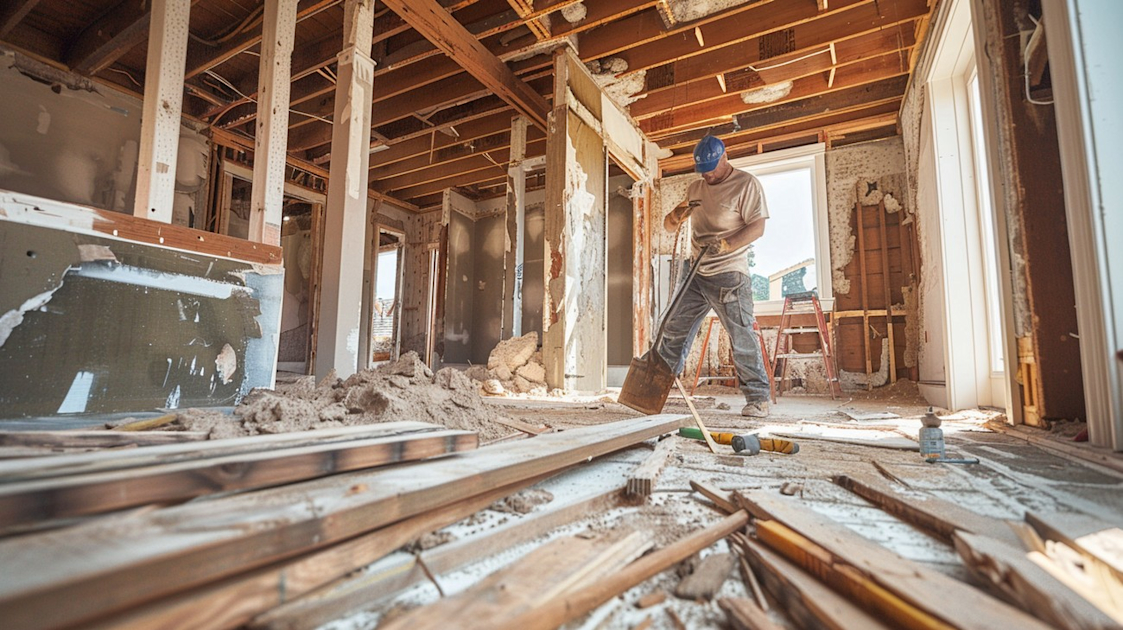


Nestled in the heart of California's Central Valley, Sacramento is known for its beautiful suburban neighborhoods and charming, older homes. However, it's also susceptible to one of the most damaging pests: termites. These tiny insects can cause serious damage to properties, making Sacramento termite damage repair a crucial topic for homeowners. This guide will walk you through everything you need to know about identifying, repairing, and preventing termite damage in your Sacramento home.
Understanding Termite Infestation in Sacramento
Sacramento's warm, Mediterranean climate provides an ideal environment for termites, particularly the Western subterranean termite, which is prevalent in this region. These pests thrive due to the mild winters and dry summers, and without intervention, they can compromise the structural integrity of a home.
Signs of Termite Damage
Before diving into repairs, it’s essential to recognize the signs of an infestation:
- Mud Tubes: Termites build tunnels of mud to travel safely and retain moisture as they move between their colony and food sources.
- Wood Damage: Infested wood may sound hollow when tapped, or appear dark and blistered.
- Termite Swarms: Reproductive termites, or "swarmers," take flight to form new colonies. Seeing these swarms inside or outside your home is a clear sign.
- Discarded Wings: After swarming, termites shed their wings, which can be found near windowsills or entryways.
Immediate Actions
Discovering termite damage necessitates immediate action:
- Contact a Professional: Engage a local termite control specialist to assess the infestation's extent.
- Move Infested Items: Remove and isolate any clearly affected wooden items if possible.
- Document the Damage: Take photos and notes for insurance claims or further professional evaluation.
Repairing Termite Damage
Once you have assessed the damage's extent and confirmed the infestation's termination, it's time to begin repairs. Here’s how to navigate the repair process.
Assessment and Planning
- Professional Inspection: A thorough inspection will identify all affected areas and determine the structural impact.
- Repair Plan: Create a comprehensive plan to address both superficial and structural damage, including timelines and budgeting.
Structural Repairs
Termite damage often impacts structural elements, such as beams, joists, and supports. Repairing these elements is critical for safety and functionality.
- Replace Damaged Wood: Severely damaged wood should be replaced. For critical structures, this may involve a contractor or structural engineer.
- Wood Treatments and Sealants: Apply chemical wood treatments to deter future infestations. Sealants can also protect the wood from moisture.
Cosmetic Repairs
Termites do not only damage structural elements; they often affect aesthetic aspects, too.
- Repainting and Patching: Sand down and repaint surfaces where minor damage has been repaired to ensure a cohesive look.
- Drywall and Ceilings: Repair any holes or damage to drywall and ceilings. Use termite-resistant materials when possible.
Choosing the Right Materials
Opting for termite-resistant materials can be a wise strategy during repairs:
- Pressure-Treated Lumber: Chemically infused to resist termites.
- Concrete and Steel: Using these non-wood materials where possible.
- Composite Wood Products: Engineered to be termite-resistant offering durability and strength.
Prevention Strategies
Repairing termite damage is only part of the battle; effective prevention can save you from future infestations.
Reduce Moisture
Termites are drawn to moisture-rich environments:
- Fix Leaks: Promptly repair plumbing leaks or drainage issues.
- Proper Ventilation: Ensure adequate ventilation in attics and crawl spaces.
- Gutter Maintenance: Keep gutters clean and away from the foundation as accumulated water attracts termites.
Landscaping Adjustments
- Use Mulch Sparingly: Avoid excessive mulch near your home's foundation, as it retains moisture.
- Keep Wood Away: Store firewood, lumber, and other wooden items away from your home’s foundation and provide clearance.
Routine Inspections
Regular inspections can catch termite issues before they escalate:
- Annual Inspections: Schedule professional termite inspections annually to monitor potential concerns.
- DIY Checks: Look for signs of termites routinely, focusing on basements, attics, and other at-risk areas.
Working with Professionals
For extensive termite damage repairs and prevention, collaborating with experienced professionals is vital.
- Choose Licensed Contractors: Ensure they have insurance and a track record of dealing with termite damage.
- Compare Quotes: Get multiple estimates to ensure competitive pricing.
- Check Reviews and References: Research past client experiences to gauge reliability and effectiveness.

Frequently Asked Questions about Sacramento Termite Damage Repair
How do I know if my home in Sacramento needs termite damage repair?
If you notice signs such as hollow-sounding wood, visible mazes within walls, or mud tubes, you likely need termite damage repair. Sacramento homeowners should also look out for discarded wings from swarming termites or small piles of termite droppings, which indicate an active infestation. If you suspect any of these signs, it is wise to consult a professional for a thorough assessment.
What types of termites are common in Sacramento?
In Sacramento, subterranean termites are the most prevalent. These termites require moisture to survive and typically build their colonies in soil before invading your home through wood that makes contact with the ground. Drywood termites are also present, though less common, and they infest wooden structures directly. Understanding the specific type of termite can help in formulating an effective Sacramento termite damage repair plan.
How does the climate in Sacramento affect termite damage?
Sacramento’s mild and damp climate creates an ideal environment for termites to thrive. The relatively warm temperatures and occasional rainfall provide sufficient moisture for termites, especially subterranean ones, to prosper and potentially cause significant damage. Thus, it's crucial for Sacramento homeowners to conduct regular inspections and take preventive measures against termite damage.
What should I expect during a Sacramento termite damage repair process?
During a termite damage repair in Sacramento, professionals will assess the extent of the infestation and the structural damage. They will remove or remediate damaged wood and treat the affected areas to eliminate termites. You can also expect recommendations for preventive measures to avoid future infestations, such as sealing entry points and reducing moisture levels in and around your home.
Are there eco-friendly options for termite damage repair in Sacramento?
Yes, there are eco-friendly methods for termite damage repair in Sacramento. These include using non-toxic treatments like borate-based pesticides and employing physical barriers or nematodes to naturally control termite populations. Some professional services also offer integrated pest management approaches that prioritize minimal environmental impact while effectively treating termite infestations.
Can I conduct termite damage repair myself in Sacramento?
While minor repairs might seem like a manageable DIY project, termite damage often extends beyond visible areas and requires professional expertise. Incorrect or incomplete repair could lead to ongoing structural issues. For comprehensive and lasting solutions, it's best to hire a professional who specializes in Sacramento termite damage repair to ensure that all termites are eradicated and structural integrity is restored.
How much does termite damage repair typically cost in Sacramento?
The cost of repairing termite damage in Sacramento can vary widely depending on the extent of the damage and the required repairs. Minor repairs might cost a few hundred dollars, while extensive structural damage could exceed a few thousand. Obtaining quotes from multiple specialized contractors will help you understand your specific costs and options.
How long does the termite damage repair process take?
The duration of termite damage repair in Sacramento depends on the severity and extent of the damage. Minor repairs might be completed in a few days, while more extensive projects could take several weeks. A professional will provide a timeline based on the initial assessment and the scope of repair required for your home.
What are the long-term preventive measures after termite damage repair?
After completing termite damage repair, it's important to implement long-term measures to prevent future infestations. These measures include regular inspections, maintaining proper drainage around your home, using treated wood in vulnerable areas, and ensuring that any wooden parts of the structure do not have direct contact with soil. Regular professional inspections can also provide early detection and management of potential termite problems.
Do I need to vacate my home during termite damage repair?
Whether you need to vacate your home during a Sacramento termite damage repair depends on the severity of the infestation and the repair methods used. In many cases, you can remain in your home during repairs. However, if fumigation is necessary, you and your family might need to temporarily relocate. Your contractor will inform you about any required preparations or accommodations.
Can termite damage affect the resale value of my home in Sacramento?
Yes, termite damage can significantly impact the resale value of your home if not properly addressed. Buyers may be wary of purchasing a property with known termite issues or past repairs, fearing future problems. Ensuring thorough Sacramento termite damage repair and maintaining documentation of all work done can help mitigate concerns and preserve your home's value.

Troubleshooting Guide
1. Sagging Floors or Ceilings
Symptoms: Noticeable sagging or sponginess when walking on floors; ceiling appears uneven.
Likely Causes: Termites weaken the structural beams and supports by consuming wood from the inside out, leading to compromised stability.
Step-by-Step Fixes:
- Inspect the Area: Look for visible signs of termite activity, such as mud tubes or termite droppings.
- Remove Damaged Wood: Cut out and dispose of severely affected sections.
- Reinforce the Structure: Use new wood to replace damaged beams and joists.
- Seal and Treat: Apply a wood treatment product to protect against future infestations.
When to Call a Professional: Significant structural damage or if you notice widespread termite activity.
Prevention Tips: Regularly inspect wooden structures, ensure proper ventilation in crawl spaces, and maintain low humidity levels.
2. Hollow-Sounding Wood
Symptoms: Wood that sounds hollow when tapped; paint or wallpaper appears blistered.
Likely Causes: Termites feed beneath the wood’s surface, leaving only a thin outer layer intact, causing the hollow sound.
Step-by-Step Fixes:
- Confirm Termite Presence: Probe the wood with a screwdriver to check for softness beneath the surface.
- Spot Treatment: Use a termite-killing foam or spray designed for internal wood application.
- Patch and Repair: Fill minor holes with wood filler and repaint or re-wallpaper the surface.
When to Call a Professional: If hollow sounding areas are extensive or you’re unsure of the infestation scope.
Prevention Tips: Treat exposed wood surfaces with insect-repellent paints and sealants and remove termite-friendly debris from your property.
3. Cracked or Distorted Wall Paint
Symptoms: Cracks in paint or walls appear distorted, suggesting possible underlying wood damage.
Likely Causes: Termite activity beneath the surface causes changes in structural tension, leading to cracks.
Step-by-Step Fixes:
- Assess the Area: Check behind cracked areas for termite presence using a screwdriver or by removing a small wall section.
- Repair Drywall: Remove damaged sections and replace or patch with new drywall.
- Finish the Surface: Sand to smooth, prime, and repaint the affected area.
When to Call a Professional: Extensive damage to drywall or if structural damage is suspected.
Prevention Tips: Use termite-proof construction materials and maintain a clean, regularly inspected home perimeter.
4. Stuck Windows and Doors
Symptoms: Windows and doors become difficult to open, close, or lock properly.
Likely Causes: Termites distort frames by eating away at the wood, causing warping or swelling.
Step-by-Step Fixes:
- Investigate Frames: Remove window and door casings to check for termite damage.
- Sand and Adjust: Attempt sanding or realigning to fit back into place if damage is minor.
- Replace if Necessary: For severely damaged frames, full replacement may be needed.
When to Call a Professional: In cases of severe distortion or if you cannot identify the cause.
Prevention Tips: Seal gaps and monitor moisture levels around windows and doors.
5. Mud Tubes on Walls
Symptoms: Visible mud shelter tubes on exterior or interior walls, resembling dirt lines.
Likely Causes: Subterranean termites build these protective tubes to travel and retain moisture while infesting wood.
Step-by-Step Fixes:
- Break the Tubes: Scrape and remove exposed mud tubes to limit termite mobility.
- Set Up Bait Stations: Use termite bait near affected areas to attract and eliminate termites.
- Monitor Progress: Regularly check for new tube formation and retreat as needed.
When to Call a Professional: Recurrent tube formation after DIY methods or extensive areas covered.
Prevention Tips: Keep soil and mulch away from direct contact with your home’s foundation, and ensure proper drainage.
6. Termite Droppings (Frass)
Symptoms: Small, wood-colored pellets resembling sawdust in piles near wooden structures. Likely Causes: Drywood termites excrete frass as they consume wood, pushing it out of their living spaces. Step-by-Step Fixes: When to Call a Professional: Large quantities of frass or inability to determine entry points. Prevention Tips: Schedule annual pest inspections and repair cracks in wood and any structural voids immediately.

Final Thoughts
Addressing termite damage promptly is crucial to maintaining the structural integrity of your home in Sacramento, CA. Ignoring the signs can lead to extensive repairs and costly damage down the road, so it's essential to be proactive. Our focus on Sacramento termite damage repair ensures that your home is not only safe but also retains its value for years to come.
If you suspect termite issues or want to prevent future damage, we recommend reaching out to us at GVD Builders & Construction. Our team is dedicated to providing top-notch service and expertise tailored to the unique needs of your home. Whether you need a thorough inspection or want to discuss your repair options, we're here to help every step of the way. Don't hesitate to contact us for a consultation or to request a free estimate—let's protect your home together!
The content provided here is intended for informational purposes only and should not be considered professional advice. We recommend consulting with a qualified specialist before making any decisions related to your project. Pricing, product availability, and specifications are subject to change without notice. Any references to specific brands or products represent our opinions and do not constitute official endorsements or guarantees of performance.


