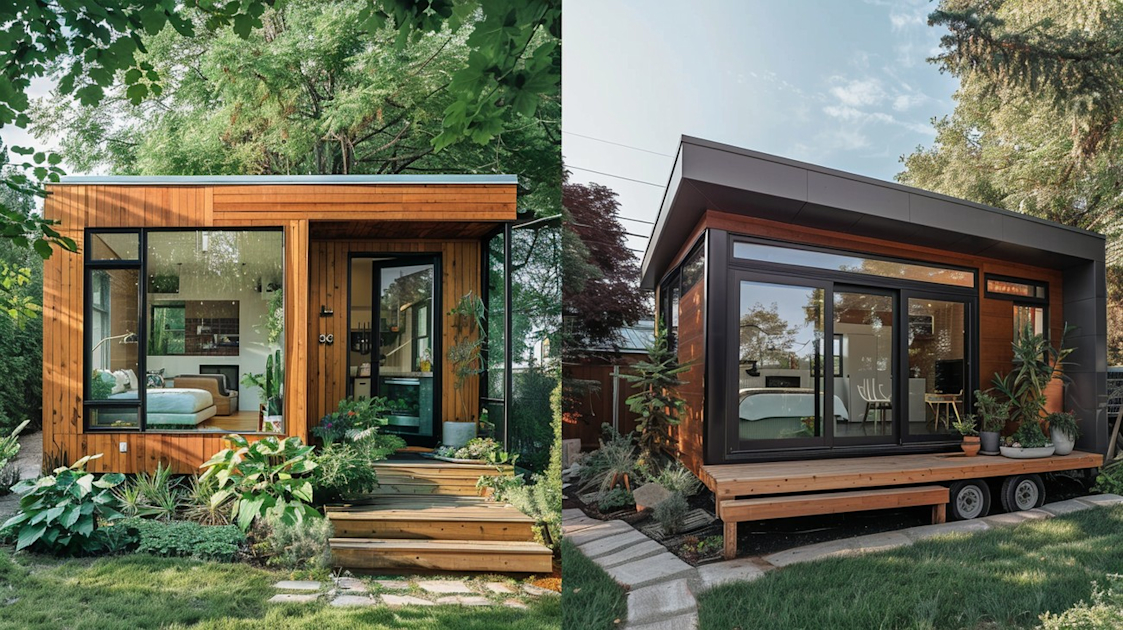


In recent years, the demand for cost-effective and sustainable living solutions has skyrocketed. Among the most popular alternatives are tiny houses and accessory dwelling units (ADUs). While they may seem similar at first glance, these two living options cater to different needs and lifestyles. In this comprehensive guide, we will delve into the details, distinctions, and advantages of tiny houses and ADUs, offering valuable insights for prospective buyers and homeowners.
Understanding Tiny Houses
Tiny houses are small, portable dwellings that emphasize simplicity and minimalism. Typically measuring less than 400 square feet, these compact homes offer an affordable, eco-friendly lifestyle free from the burdens of excessive consumerism.
Features of Tiny Houses
These charming abodes are characterized by their innovative design and resource-efficient features. Here’s what makes tiny houses unique:
- Portability: Many tiny houses are built on trailers, allowing homeowners to transport their homes wherever they wish. This flexibility is a significant selling point for those who value mobility.
- Efficient Use of Space: Tiny houses are designed to maximize every square inch, often featuring multi-functional furniture, lofted bedrooms, and creative storage solutions.
- Sustainability: With a smaller carbon footprint, tiny houses often incorporate eco-friendly materials and energy-efficient appliances, aligning with green living principles.
Delving Into Accessory Dwelling Units (ADUs)
ADUs, or accessory dwelling units, are secondary housing units built on the same lot as a larger, primary residence. Also known as granny flats, in-law suites, or backyard cottages, these structures offer additional housing without the need for separate land.
ADU Characteristics
ADUs vary in design and purpose but share several defining attributes:
- Permanent Structure: Unlike tiny houses, ADUs are usually permanent structures built on a foundation. They are designed to blend seamlessly with the main property, often mimicking its style and materials.
- Flexibility of Use: ADUs can serve multiple purposes, from housing family members and generating rental income to serving as home offices or guest spaces.
- Zoning Regulations: While ADUs have gained popularity, homeowners must navigate zoning laws and permits, which can vary significantly by location.
Comparing Space and Size
When it comes to space, tiny houses and ADUs serve different needs. Let's explore these differences to better understand which option might be right for you.
Size Considerations
- Tiny Houses: Typically less than 400 square feet, these homes offer a minimalist lifestyle, requiring occupants to prioritize what's truly essential.
- ADUs: Generally larger than tiny houses, ADUs can range from 400 to 1,000 square feet. They provide more space for occupants, catering to those who desire extra room for comfort or storage.
Financial Implications
Both tiny houses and ADUs offer financial benefits compared to traditional housing; however, they differ in terms of investment and potential returns.
Cost and Investment
- Tiny Houses: Often more affordable upfront, tiny houses can range from $20,000 to $150,000, depending on customization and materials. They require minimal land investment, making them an economical choice for budget-conscious individuals.
- ADUs: While generally more expensive, with costs ranging from $50,000 to $150,000 or more, ADUs can significantly boost property value. Homeowners can generate rental income, offering a potential return on investment.
Maintenance and Utilities
- Tiny Houses: Lower utility costs and maintenance expenses are significant perks, attributed to their size and efficient design.
- ADUs: While costs are higher than tiny houses, they remain less than a full-sized home, making ADUs a cost-effective addition.
Legal and Zoning Considerations
Before diving into tiny house or ADU living, it's crucial to understand the legal landscape.
Zoning and Permits
- Tiny Houses: These dwellings face legal challenges, especially regarding where they can be placed. Parking on private land, campgrounds, or RV parks is common, but restrictions vary widely.
- ADUs: Increasingly embraced by municipalities, ADUs come with their own set of zoning and building regulations. Homeowners must comply with local government guidelines to avoid potential issues.
Lifestyle and Mobility
The lifestyle implications of choosing between a tiny house and an ADU are substantial, influencing not just your living conditions but how you experience life.
Mobility vs. Stability
- Tiny Houses: Ideal for those seeking adventure and flexibility, allowing you to travel and change locations at will.
- ADUs: Provide stability by expanding your existing property while enhancing community ties and family proximity.
Design Preferences
- Tiny Houses: Encourage a minimalist aesthetic, prioritizing the essentials and often featuring custom, space-saving designs.
- ADUs: Offer more versatility in design, allowing homeowners to replicate the style of their main residence or create a distinct, standalone unit.
Environmental Impact
Both tiny houses and ADUs align with eco-friendly living, but with different emphases.
Eco-Friendly Aspects
- Tiny Houses: Boast a small carbon footprint, using fewer materials and requiring less energy to heat and cool.
- ADUs: Contribute to urban densification, maximizing living spaces on existing properties, which can reduce urban sprawl and its associated impacts.
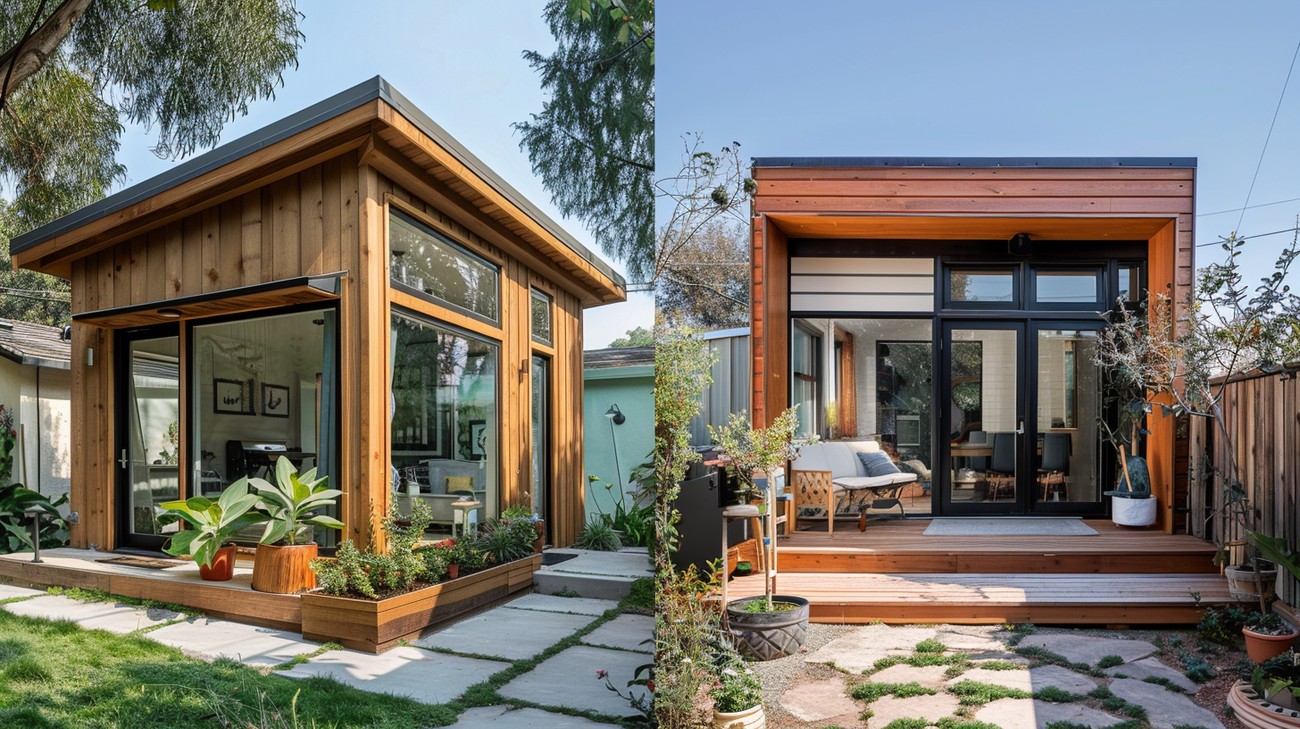
FAQ: Tiny Houses vs ADUs
What defines a tiny house?
A tiny house is generally defined as a small, compact living space that typically ranges from 100 to 400 square feet. Tiny houses can be built on wheels, making them mobile, or have a permanent foundation. They are designed to maximize space efficiently and often incorporate multi-functional furniture and storage solutions. People often choose tiny houses to embrace minimalist lifestyle choices or to reduce their environmental footprint.
What is an ADU, and how is it different from a tiny house?
An ADU, or Accessory Dwelling Unit, is a secondary housing unit on a single-family residential lot. Unlike tiny houses, ADUs are usually built on a fixed foundation and must comply with local building codes and zoning regulations. ADUs can be attached or detached from the main home and are often used to house extended family members or as rental income sources. They tend to be larger than tiny houses, as they are typically defined by local laws which might allow up to 1,200 square feet, depending on the jurisdiction.
Are tiny houses and ADUs legal everywhere?
Both tiny houses and ADUs are subject to local zoning regulations, which means their legality can vary significantly from place to place. Tiny houses, especially on wheels, may face more legal challenges due to a lack of permanent foundations and different building codes. ADUs might have an easier path to legality as more communities are updating their laws to encourage increased housing density. It's crucial to check local laws for specifics on both tiny houses and ADUs to ensure compliance.
How do costs compare between tiny houses and ADUs?
The cost of building an ADU is generally higher than that of a tiny house due to size and required site work, including utility connections and adherence to stricter building codes. Tiny houses can often be built for less money, particularly if they're on wheels and use simpler infrastructure. However, costs can vary greatly depending on materials, location, and whether you're building DIY or hiring professionals. Despite the higher initial investment, ADUs can provide rental income, which could offset their expense over time.
Do tiny houses and ADUs offer the same flexibility?
When it comes to flexibility, tiny houses—especially those on wheels—take the lead due to their mobility. You can move a tiny house to different locations, offering great lifestyle freedom and the opportunity to experience diverse settings. Meanwhile, ADUs are permanently fixed in place, which might limit your options in terms of relocating but offer a stable housing solution or rental opportunity. Each option has its unique form of flexibility depending on what you're looking for.
What are the main uses for tiny houses versus ADUs?
Tiny houses often serve as a primary residence for individuals or couples embracing minimalism and simple living. They can be used as guest houses, vacation rentals, or even mobile offices. ADUs, on the other hand, are usually employed to expand living spaces for families, provide independent living for elderly relatives, or generate rental income. Their use is often more integrated with the main residence, reflecting communal or economic objectives.
How do building processes differ for tiny houses and ADUs?
Building a tiny house is often more straightforward and can be a DIY project or involve a specialized tiny house builder. These structures may or may not require building permits based on local laws. In contrast, constructing an ADU typically involves a more complex process with permits, inspections, and adherence to strict building codes. Local jurisdictions often have frameworks in place, which can streamline building an ADU but add layers of complexity not necessarily found in tiny house construction.
Are utilities handled the same way for tiny houses and ADUs?
Utilities in tiny houses can be quite varied, as many are designed to be off-grid, utilizing solar power or composting toilets. Others might connect to municipal utilities if they have a permanent foundation. On the other hand, ADUs are generally required to be hooked into existing utility systems of the main house, adhering to local city services and regulations. While this might increase the complexity and cost of building an ADU, it ensures a stable supply of utilities and services.
How does property value impact differ between tiny houses and ADUs?
ADUs can significantly increase the value of a property, potentially more than tiny houses, due to their permanence and additional living space that can be leveraged for rental income or multifunctional use. In contrast, tiny houses—especially those not permanently affixed to the land—may not have the same impact on property value, particularly if they're viewed as personal rather than property assets. The financial implications of each will largely depend on local real estate market conditions and regulations.
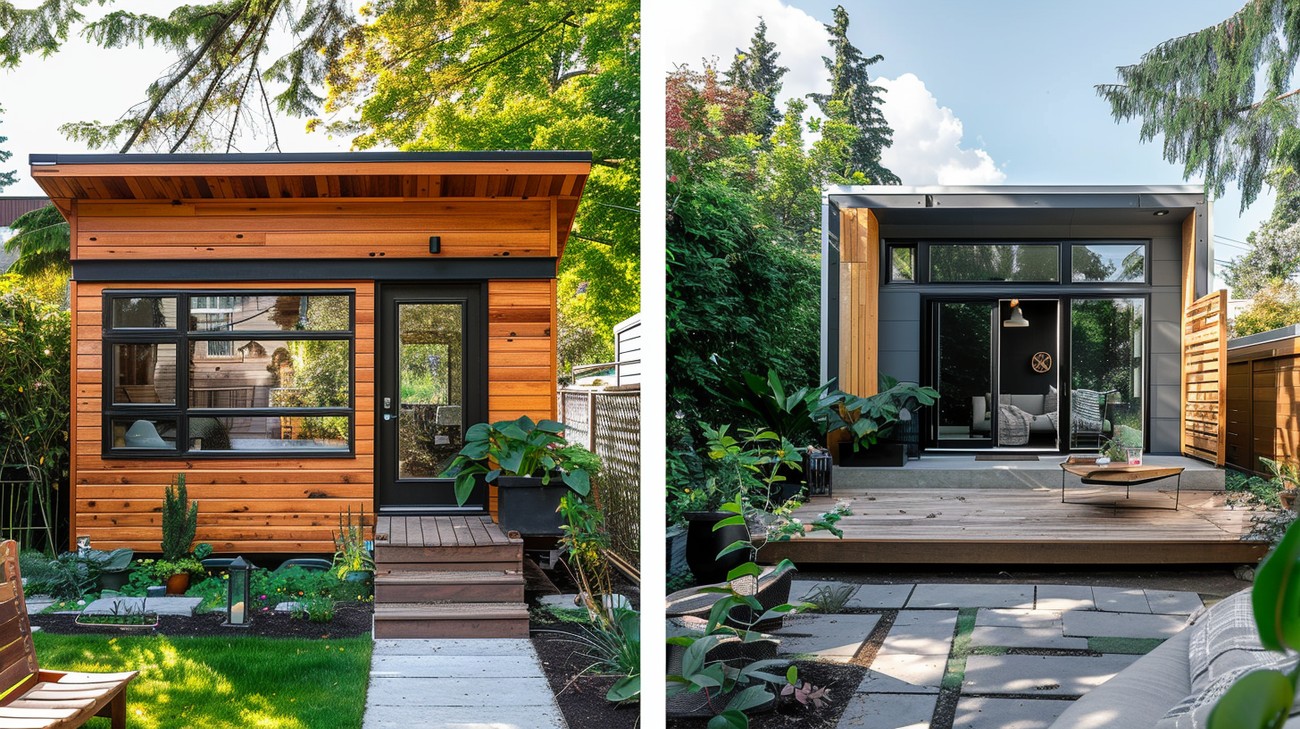
Comparison
Key Features Comparison
| Feature | Tiny Houses | ADUs |
|---|---|---|
| Size | Typically 100-400 sq ft | Usually 600-1,200 sq ft |
| Mobility | Often built on wheels for easy transport | Permanent structures with foundations |
| Customization | Highly customizable interior | Custom designs possible; may follow main house architecture |
| Building Permits | May fall under RV regulations | Subject to local residential building codes |
| Ecological Footprint | Generally lower due to size | Varies, often higher due to larger size |
Tiny Houses are typically more compact and can be designed with portability in mind, often eliminating the need for a foundation. This makes them ideal for those seeking flexibility in their living situation. On the other hand, ADUs are built as permanent structures and need to comply with local building regulations, but offer more living space and a range of custom design opportunities.
Performance Differences
Tiny Houses tend to excel in terms of sustainability and efficiency; their smaller footprint means that less energy is required for heating and cooling. This could be a significant advantage for those looking to minimize their environmental impact. Conversely, ADUs might consume more resources but offer superior comfort and amenities due to their larger dimensions and typically more advanced infrastructure.
Price Comparison
| Aspect | Tiny Houses | ADUs |
|---|---|---|
| Average Cost Range | $30,000 - $100,000 | $100,000 - $300,000+ |
| Longevity | Durable with quality materials, but may wear if frequently moved | Comparable to main house with less wear from non-mobility |
| Maintenance Costs | Generally lower; fewer systems to manage | Proportionate to size and amenities |
Financially, Tiny Houses can be a more affordable choice for minimalists or those looking to downsize. Their lower upfront costs and minimal maintenance expenses might appeal to budget-conscious individuals. ADUs, while more expensive to construct, can add substantial value to a property and might offer income potential as rental units, thereby offsetting their initial investment.
Best Use Cases for Each
Tiny Houses:
- Nomadic Lifestyle: Perfect for those who enjoy moving frequently or prefer a home that's not tethered to one location.
- Minimalist Living: Ideal for individuals or couples who thrive with fewer possessions and a simplified lifestyle.
- Sustainable Living: Great choice for environmentally conscious individuals.
ADUs:
- Extended Family Accommodation: Suitable for keeping family members close while offering independence.
- Rental Income: Excellent as rental units for generating additional income.
- Work-from-Home Office: Provides a separate space with the comfort of home amenities for productivity.
Bottom Line Recommendation
Choosing between a Tiny House and an ADU largely depends on your lifestyle needs, financial situation, and long-term goals. If mobility, minimalism, and sustainability are top priorities, a Tiny House could be the best option. However, if you value more space, permanent residency, and potential income generation, investing in an ADU might be the way to go.
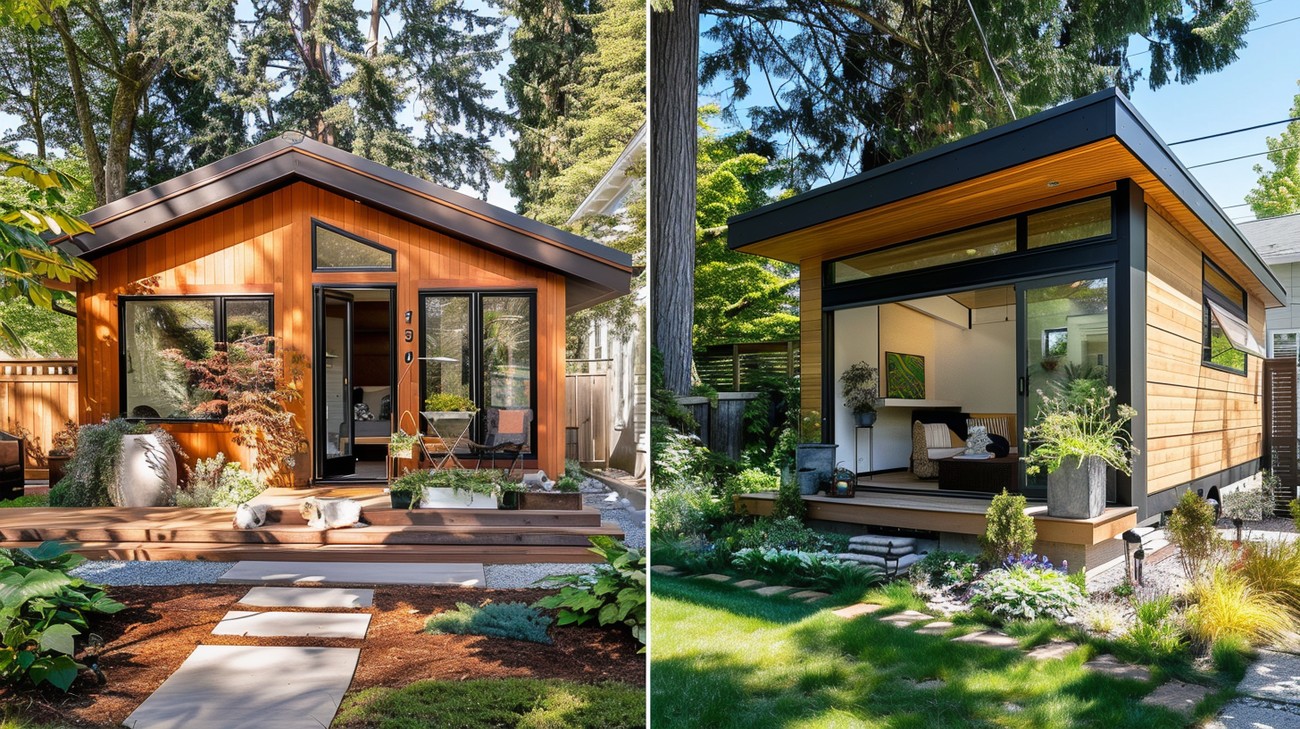
Final Thoughts
When considering Tiny Houses vs ADUs, it's essential to reflect on your lifestyle needs and future plans. Tiny houses offer a minimalist approach that can drastically reduce your living expenses and environmental footprint, while ADUs provide added space and flexibility on your existing property—ideal for urban areas like Sacramento, CA, where property is at a premium. Each option has its unique advantages, and the choice ultimately comes down to what aligns best with your vision and requirements.
If you're leaning toward creating a tiny home or an ADU, we’re here to help bring that vision to life. At GVD Builders & Construction, we have the expertise to guide you through the design and building process, ensuring that your project fits seamlessly into your lifestyle. We invite you to contact us to schedule a consultation or request a free estimate, so we can discuss how to transform your space into the ideal home solution for you.
The content provided here is intended for informational purposes only and should not be considered professional advice. We recommend consulting with a qualified specialist before making any decisions related to your project. Pricing, product availability, and specifications are subject to change without notice. Any references to specific brands or products represent our opinions and do not constitute official endorsements or guarantees of performance.


