
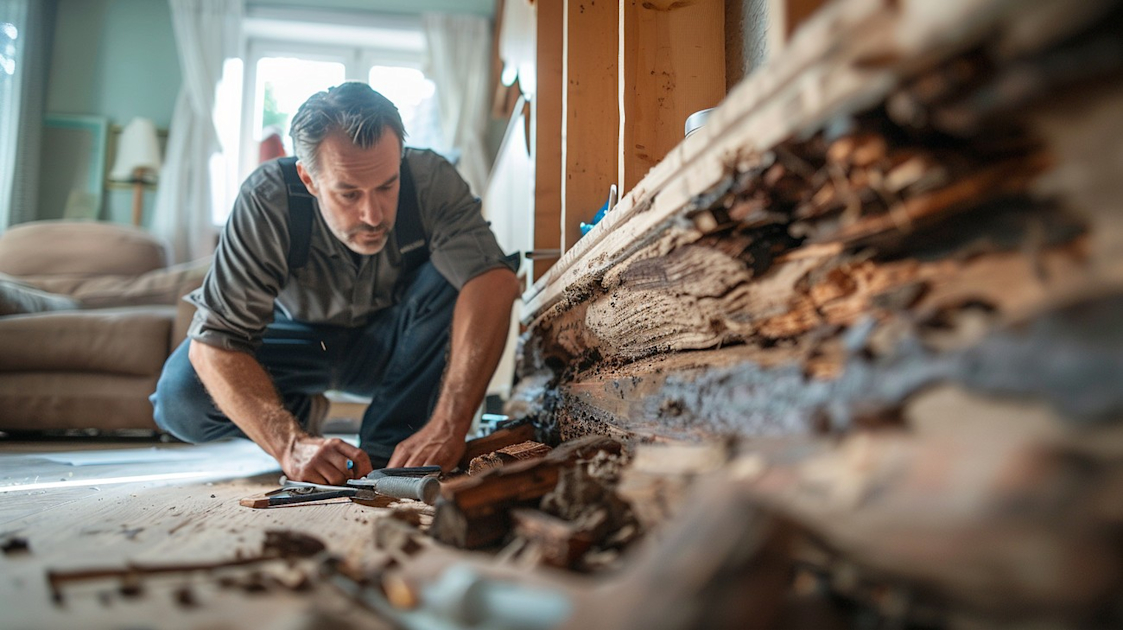


Dry rot is a common issue plaguing homes in Sacramento, and it's essential to address it promptly. As the capital city of California, Sacramento enjoys a diverse climate. With warm, dry summers and wet winters, the varying conditions make it susceptible to problems like dry rot. This guide delves into everything you need to know about dry rot repair in Sacramento, highlighting the causes, solutions, and preventative measures you can undertake to guard your home against this pervasive issue.
What is Dry Rot?
Dry rot is a type of wood decay caused by fungi that consume the cellulose and hemicellulose fibers in timber, weakening its structure. Contrary to its name, dry rot requires moisture to germinate and thrive, though it can spread through dry materials once established. The result is often crumbling, brittle wood that can undermine the structural integrity of your home.
Causes of Dry Rot in Sacramento
Humidity and Moisture Exposure
Sacramento's fluctuating humidity levels, especially during rainy seasons, create ideal conditions for dry rot. Leaky roofs, plumbing issues, or poor drainage can increase moisture levels, enabling fungal growth.
Poor Ventilation
Homes lacking proper airflow can trap moisture, encouraging fungal development. Areas such as basements, crawl spaces, and attics are particularly vulnerable unless adequately ventilated.
Wood-Soil Contact
Wooden components that have direct contact with soil or other moisture-bearing surfaces are at high risk for dry rot due to constant exposure to dampness.
Identifying Dry Rot
Recognizing dry rot early can prevent extensive damage. Here's what to look for:
- Texture Change: Wood may feel brittle, crumbly, or develop a spongy texture.
- Color Shifts: Wooden surfaces might darken or lighten as the fungi alter the wood's natural pigment.
- Fungal Growth: Look for white, cotton-like mycelium or rusty brown spore dust indicating fungal presence.
Steps to Repair Dry Rot
Step 1: Inspection
Hire a professional or conduct a thorough examination of your home. Check both interior and exterior wooden structures for signs of dry rot.
Step 2: Moisture Source Identification
Identify and eliminate the source of moisture. Fix leaks, improve drainage, and enhance ventilation to stop further fungal growth.
Step 3: Removal of Affected Wood
Carefully remove all affected wood materials. It's crucial to remove not only the visibly damaged sections but also several inches beyond the apparent damage to ensure all fungal growth is eradicated.
Step 4: Wood Treatment
Treat the remaining areas with fungicidal treatments to kill any residual fungi and spores. Ensure all future moisture exposure is minimized.
Step 5: Restoration
Replace the removed wood with treated, moisture-resistant timber, ensuring it's securely installed and less susceptible to future damage.
Prevent Dry Rot in Your Home
Here are vigilant measures to prevent the onset of dry rot in your Sacramento home:
Improve Ventilation: Incorporate vents or fans in attics and crawl spaces to keep airflow consistent.
Regular Inspections: Conduct annual checks of all wooden structures to catch early signs of dampness or wood decay.
Exterior Maintenance: Seal and paint exterior woodwork to create a protective barrier against moisture.
Address Leaks Promptly: Do not delay in fixing plumbing or roof leaks that could introduce unwanted moisture.
The Importance of Professional Help
While some homeowners may tackle dry rot repair as a DIY project, involving professionals is often wise due to the complexities involved. Professionals can:
- Accurately diagnose the extent of the dry rot.
- Utilize advanced tools and materials for effective repairs.
- Provide warranties on their work for peace of mind.

Sacramento Dry Rot Repair FAQ
How can I identify dry rot in my Sacramento home?
Identifying dry rot can be tricky, especially if you're not sure what to look for. In Sacramento, dry rot often appears in areas exposed to moisture, such as basements, attics, or near plumbing fixtures. Look for wood that appears to have shrunk or crumbled, and keep an eye out for a damp, musty smell. The wood may also have a honeycomb appearance with deep cracks running across the grain. If you notice any of these signs, it's important to take immediate action, as dry rot can spread quickly and severely damage your structure.
What are the primary causes of dry rot in the Sacramento area?
Dry rot in Sacramento is primarily caused by fungus that thrives in damp, poorly ventilated conditions. This is a common problem in areas with high humidity or where there is significant rainfall. Leaky roofs, plumbing leaks, or poor drainage around your home can contribute to the environment that promotes dry rot. The fungus breaks down the cellulose in wood, which is why it’s so important to address any water intrusion issues in a timely manner.
Can I repair dry rot myself, or should I hire a professional in Sacramento?
While some small-scale dry rot repairs can be undertaken by homeowners, it's often best to hire a professional in Sacramento, particularly if the damage is extensive. A professional dry rot repair specialist will have the expertise and tools needed to evaluate the extent of the damage and perform repairs safely and effectively. They can replace damaged wood, ensure your home is properly ventilated, and address any moisture issues that might have contributed to the dry rot problem in the first place.
How long does the dry rot repair process typically take in Sacramento?
The duration of a dry rot repair project in Sacramento can vary significantly depending on the extent of the damage and the specific areas involved. Minor repairs could take just a day or two, while more extensive issues might require a week or more to fully address. A thorough inspection by a qualified contractor will provide a clearer timeline. Additionally, weather conditions and the availability of materials can also affect the project timeline, so it's always a good idea to plan for some flexibility.
How much does it cost to repair dry rot in Sacramento?
The cost of dry rot repair in Sacramento can range widely based on factors such as the severity of the damage, the size of the affected area, and whether you're addressing underlying moisture problems as part of the project. Small repairs may cost a few hundred dollars, while significant structural repairs could run into the thousands. To get an accurate estimate, consider having a few local contractors provide quotes based on an on-site inspection. Investing in professional repair now can save money in the long run by preventing more extensive damage.
What materials are typically replaced during a Sacramento dry rot repair?
During a dry rot repair project in Sacramento, any affected wood will generally need to be removed and replaced. This might include sections of flooring, framing, siding, or roofing. It’s also important to repair or replace any components that contributed to moisture buildup, such as faulty gutters, leaking pipes, or inadequate ventilation systems. Alongside wood, some contractors may also recommend treating adjacent areas with fungicide to prevent future rot.
What are some preventive measures to avoid dry rot in Sacramento?
To prevent dry rot in Sacramento, maintaining proper ventilation and minimizing moisture exposure in your home are key. Regular inspections of your roof, plumbing, and foundation can help catch potential problems before they lead to major issues. Ensure that your home’s gutters and downspouts are clear and functioning properly to direct water away from your house. Installing dehumidifiers in moisture-prone areas can also help, along with sealing exterior wood with quality paint or sealant. Regularly monitoring and maintaining these elements can go a long way in preventing dry rot.
Does homeowner insurance cover dry rot repair in Sacramento?
Whether or not dry rot repair is covered by homeowner insurance depends on the policy and the specific circumstances that led to the damage. Generally, if dry rot is a result of a sudden and accidental leak or event, it might be covered. However, damage due to neglected maintenance or long-term exposure is typically not covered. It’s crucial to review your policy details and consult with your insurance provider to understand your specific coverage regarding dry rot repair in Sacramento.
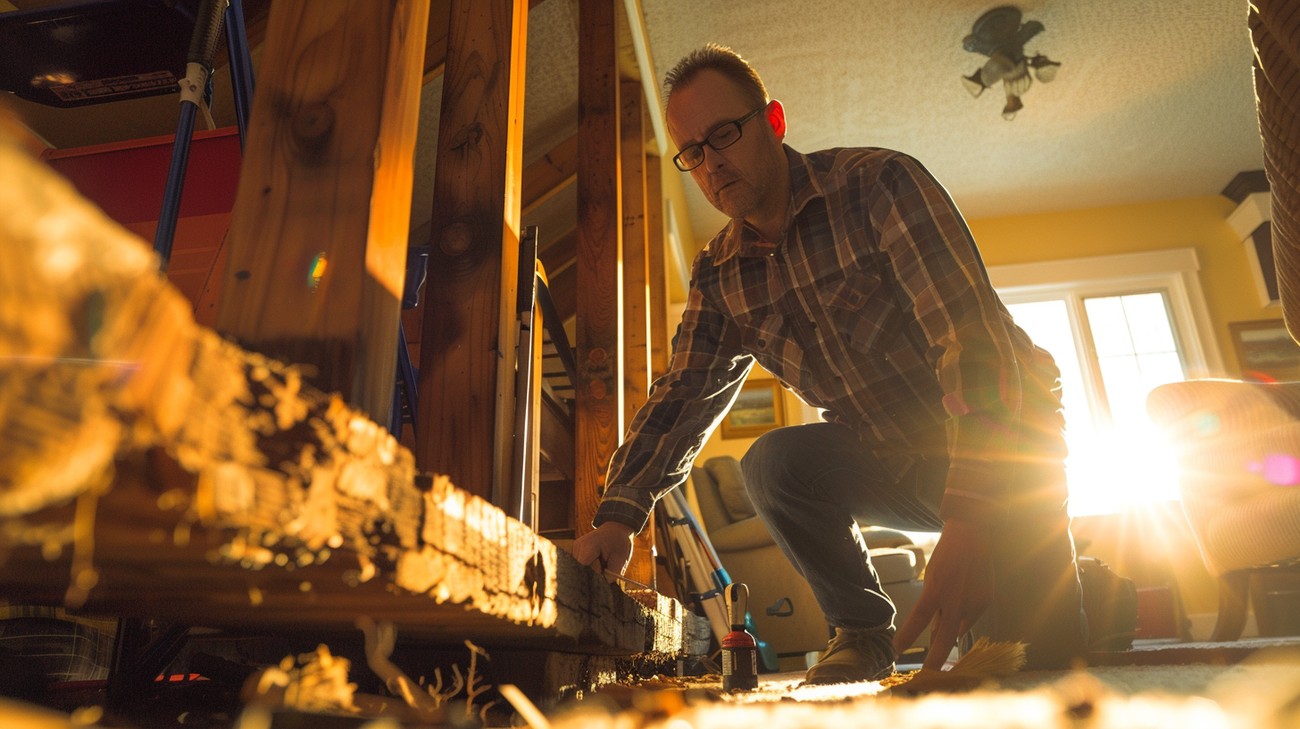
Troubleshooting Guide
1. Wood Softening and Discoloration
Symptoms: Your wood surfaces feel spongy or soft to the touch and have a distinct darkening or discoloration.
Likely Causes: Consistent exposure to moisture, poor ventilation, leaks from plumbing or roof, and presence of fungi.
Step-by-Step Fixes:
- Inspect the area to identify the moisture source. Look for leaks in plumbing or roofing.
- Repair any leaks and enhance ventilation in the affected area.
- Remove all rotten wood with a chisel or saw. Cut at least 12 inches beyond the visible rot to ensure all affected wood is removed.
- Treat exposed wood with a wood preservative to prevent further fungal growth.
- Replace the removed wood with new, treated lumber.
- Seal the wood with a waterproof sealant.
When to Call a Professional: If the rot is extensive, or if the structural integrity of your home seems compromised.
Prevention Tips: Keep your home well-ventilated, repair leaks promptly, and apply sealant to wood surfaces to protect them from moisture.
2. Musty Odor in Affected Areas
Symptoms: A persistent, unpleasant musty smell in certain areas of your home.
Likely Causes: Fungal growth resulting from dry rot, undetected leaks, or poor air circulation.
Step-by-Step Fixes:
- Locate the source of the odor by inspecting basements, attics, and bathrooms.
- Ensure there’s no hidden moisture source like a leaking pipe.
- Increase ventilation by adding fans or dehumidifiers.
- Clean the area with a fungicide to kill existing mold and mildew.
- Remove and replace any rotting wood, following the guidance in the previous fix.
When to Call a Professional: If the odor persists despite your efforts or if you suspect mold growth beyond your capability to handle.
Prevention Tips: Regularly check for leaks and ensure consistent airflow in all areas of your home.
3. Crumbling or Brittle Wood
Symptoms: Wood crumbles or breaks apart easily with little force.
Likely Causes: Advanced stages of dry rot where the internal structure of wood fibers are degraded.
Step-by-Step Fixes:
- Confirm that the wood is dry rotted by poking it with a screwdriver; it will easily puncture.
- Remove the damaged wood as per previous instructions.
- Before inserting new wood, treat the area with a borate-based wood preservative.
- Install the new wood and paint or seal it to guard against moisture.
When to Call a Professional: If the damage affects the load-bearing structures of your home.
Prevention Tips: Regular maintenance checks and sealing exposed wood will go a long way.
4. Sagging Floors or Ceilings
Symptoms: Noticeable sagging or bowing in floors or ceilings indicating structural concerns.
Likely Causes: Dry rot has weakened wooden support beams or joists.
Step-by-Step Fixes:
- Inspect the beams and joists beneath the sagging area.
- Shore up any temporary supports for safety.
- Replace compromised beams or joists with pressure-treated lumber.
- Ensure proper drainage and ventilation to prevent recurrence.
When to Call a Professional: Immediately. Structural issues require expert evaluation and repair.
Prevention Tips: Annual inspections of your home’s structural components and quick action on early signs of moisture and sagging.
5. Flaking Paint or Popped Nails
Symptoms: Paint peeling away from surfaces or nails protruding from wood.
Likely Causes: Moisture has penetrated the wood, causing expansion and contraction under paint or nails.
Step-by-Step Fixes:
- Remove loose paint with a scraper and smooth with sandpaper.
- Inspect the wood beneath for signs of rot and treat accordingly.
- Replace any loose nails with longer corrosion-resistant screws.
- Repaint with a high-quality, weather-resistant exterior paint.
When to Call a Professional: If you discover widespread rot beneath the flaking paint.
Prevention Tips: Regularly paint and seal exterior wood surfaces and use corrosion-resistant fixtures.
6. Sticking Doors or Windows
Symptoms: Difficulty opening or closing doors and windows; they feel stuck or misaligned. Likely Causes: Warped frames from moisture-induced wood expansion due to underlying dry rot. Step-by-Step Fixes: When to Call a Professional: If fixing doors or windows doesn’t solve alignment issues or if frames are significantly warped.

Final Thoughts
Addressing dry rot in your home is crucial for maintaining both the structural integrity and aesthetics of your property. In Sacramento, dry rot repair is not just about replacing damaged wood; it's about ensuring your home stays safe and welcoming for years to come. Regular inspections and timely intervention can save you a great deal of hassle down the line, so don't hesitate to keep an eye out for any signs of moisture or decay.
If you're dealing with dry rot or just want to ensure your home is in top shape, we're here to help. At GVD Builders & Construction, we offer trusted solutions specifically tailored for homeowners in Sacramento, CA. Reach out to us to schedule a consultation or request a free estimate—we’re dedicated to providing the quality service you’re looking for. Your home deserves the best care, and we’re ready to assist you in achieving that.
The content provided here is intended for informational purposes only and should not be considered professional advice. We recommend consulting with a qualified specialist before making any decisions related to your project. Pricing, product availability, and specifications are subject to change without notice. Any references to specific brands or products represent our opinions and do not constitute official endorsements or guarantees of performance.

