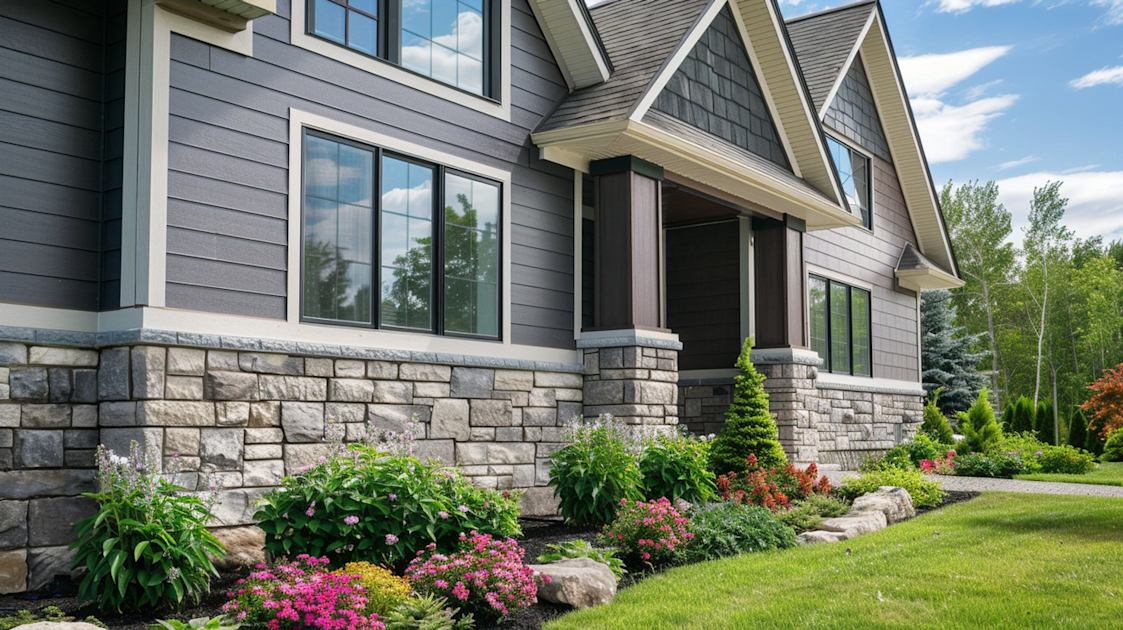


Masonite siding has been a popular choice for homeowners and builders alike, bringing versatility, affordability, and an array of aesthetic options to the market. If you're considering Masonite siding for your home or just interested in learning more about it, this guide will provide you with detailed, SEO-optimized insights into its history, benefits, installation process, maintenance tips, and much more.
Understanding Masonite Siding
Masonite siding, often referred to as hardboard siding, is crafted from wood fibers glued together with resins and pressed under high pressure and heat. This process results in a dense, durable board that's often used for exterior applications. Its popularity stems from its wood-like appearance at a fraction of the cost, making it an attractive alternative to natural wood siding.
Brief History of Masonite Siding
The name "Masonite" comes from William H. Mason, who developed the material in the early 1920s. Originally used for various industrial applications, Masonite became a staple in the building industry as a reliable and economical siding option, gaining peak popularity from the 1950s through the 1990s.
Advantages of Masonite Siding
Cost-Effective Choice
Masonite siding is often more affordable than other types of siding, such as natural wood or fiber cement. This makes it a popular choice for budget-conscious homeowners looking for an aesthetically pleasing yet economical option.
Aesthetic Versatility
Offered in a variety of finishes and styles, Masonite siding can mimic the look of wood, stucco, or even stone. It's available in various textures, which means you can achieve nearly any look you desire for your home exterior.
Easy to Install
Masonite siding is lightweight compared to many other siding options, making it easier to handle and quicker to install. This can reduce labor costs and time spent on installation, which is a vital consideration for any renovation project.
Step-by-Step Installation Guide
Installing Masonite siding can be a DIY project for those with some experience in home improvement. However, enlisting a professional can ensure a smoother process. Here's a high-level overview of the installation process:
Preparation:
- Measure your house's exterior to determine how much siding you'll need.
- Gather all necessary tools and materials, such as a ladder, chalk line, saw, and safety equipment.
Remove Existing Siding:
- Carefully remove old siding if necessary, ensuring no damage to the underlying structures.
Install Sheathing and Moisture Barrier:
- Attach a water-resistant barrier over the sheathing to protect against moisture damage.
Position the Siding:
- Begin at the bottom, aligning the first piece of siding properly to ensure level installation.
- Use a chalk line for guidance.
Nail the Siding:
- Secure the siding into place, leaving room for expansion and contraction due to temperature changes.
Seal and Paint:
- Once installed, seal the joints and cuts to protect against moisture.
- Choose a suitable exterior paint to complete the look and add an extra layer of protection.
Effective Maintenance Tips
Maintaining Masonite siding is relatively straightforward, but regular care will extend its lifespan and keep it looking its best.
Regular Cleaning: Use a mild detergent and a garden hose to gently clean the siding. Avoid pressure washing as it can damage the surface.
Inspect Annually: Check for signs of damage like swelling, peeling paint, or cracked boards, especially after severe weather conditions.
Repaint as Needed: Paint protects Masonite from moisture and sun damage. Repaint every 5-10 years, depending on your climate and the quality of paint used.
Seal Gaps: Ensure that any cracks or gaps in the siding are promptly sealed to prevent moisture intrusion.
Environmental Considerations
Masonite siding is manufactured using wood fibers, making it a product that utilizes natural resources. However, its production requires significant energy and chemicals. For environmentally-conscious homeowners, looking into environmentally-friendly brands that use sustainable practices can be a thoughtful step in your selection process.
Common Issues and Solutions
While Masonite siding is durable, it’s not without potential issues. Here's a quick look at common problems and how to address them:
Moisture Damage: Ensure proper sealing and caulking, and address any water drainage issues around your home to prevent moisture damage.
Warping or Swelling: This is often caused by prolonged exposure to moisture. Regular inspection and repair of damaged sections can mitigate this issue.
Pest Damage: Although less common, insects can still find their way under Masonite siding. Consider periodic pest control treatments.
Frequently Asked Questions About Masonite Siding
How durable is masonite siding?
Masonite siding, also known as hardboard siding, offers reasonable durability for residential applications when properly maintained. It is composed of wood fibers and resins, and is compressed under high pressure to form a dense and strong board. Masonite siding generally lasts for about 20 to 30 years, but its lifespan can vary depending on the environment, quality of installation, and frequency of maintenance. Regular painting and sealing are recommended to protect the material from moisture, which can otherwise lead to swelling or rot.
Is masonite siding environmentally friendly?
Masonite siding is considered more environmentally friendly compared to some other siding materials. It is manufactured using wood byproducts, which helps reduce waste. The production process uses less energy compared to the manufacture of some synthetic options. Furthermore, if disposed of properly, masonite siding is biodegradable, thereby having a lower environmental impact once it reaches the end of its lifecycle. Homeowners who prioritize eco-friendly building materials may find masonite siding a suitable option for their needs.
Can masonite siding be painted?
Yes, masonite siding can be painted, and it is advisable to do so to maintain its appearance and protect it from the elements. Painting masonite siding helps shield it from moisture, which can cause swelling and deterioration. When painting masonite siding, it's important to ensure that the surface is clean and dry before applying a high-quality exterior paint. Applying a primer before painting will improve paint adhesion and durability. It's recommended to repaint every 5 to 7 years, depending on the climate and exposure to weather.
What are the maintenance requirements for masonite siding?
Masonite siding requires regular maintenance to prevent moisture infiltration and prolong its lifespan. Key maintenance tasks include periodic inspection for cracks or damage, regular cleaning to remove dirt and mildew, and ensuring that the siding is properly painted or sealed. Homeowners should pay attention to caulking around seams and joints to prevent water entry. Maintaining gutters and downspouts to direct water away from the siding can also help avoid moisture-related issues. Prompt repair of any damaged areas is crucial to avoid further deterioration.
Is masonite siding resistant to termites?
Masonite siding does not have natural resistance to termites in the same way as some types of treated wood or synthetic siding materials might. Termites may find their way into masonite if there's any vulnerability, such as untreated cuts, cracks, or where the siding meets other wooden structures. To mitigate the risk of termite damage, it's important to maintain a protective paint or sealant layer, ensure proper installation with minimal ground contact, and conduct routine inspections to catch any infestations early before significant damage occurs.
How does masonite siding compare to vinyl siding?
Masonite siding and vinyl siding each have their own unique characteristics and benefits. Masonite offers a classic wood appearance and is often chosen for its traditional aesthetics. It can handle paint well, allowing homeowners to customize or change its color as desired. On the other hand, vinyl siding is more durable against moisture, does not need painting, and generally requires less maintenance, though it may not offer the same natural appearance as masonite. Masonite can be more susceptible to water damage compared to vinyl, so it requires more vigilance in upkeep.
What should I do if my masonite siding gets wet?
If masonite siding becomes wet, it should be dried as soon as possible to prevent swelling and damage. If water has penetrated the siding board, it’s critical to assess the affected area for signs of swelling, cracking, or mold. If damage is noticed, replace the affected siding promptly to prevent further issues. Additionally, check for possible entries of water, such as poor sealing or caulking, and address any leaks. Preventive action, such as maintaining paint or sealant, will help minimize the chances of future water penetration.
Can I install masonite siding myself?
While it is possible for DIY enthusiasts to install masonite siding, it requires careful planning and attention to detail. Installing masonite siding correctly is crucial to ensure its durability and resistance to moisture. Knowledge of proper cutting, fitting techniques, and moisture barriers is necessary. For those with limited experience, hiring a professional can be more cost-effective in the long run, as they will ensure that the installation is done to a high standard, reducing the risk of issues such as water infiltration or improper fitting that can lead to damage.
How can I tell if my masonite siding needs repair or replacement?
Signs that your masonite siding may require repair or replacement include visible cracks, swelling, rotting, and peeling paint or sealant. Discoloration or mold growth can also indicate moisture penetration. When inspecting masonite siding, check for any soft or crumbly areas that indicate rotting wood fibers. If repairs are needed, promptly addressing small issues can prevent larger, more expensive problems. In cases where damage is extensive, replacement of the affected sections or the entire siding may be necessary to maintain the integrity and appearance of the exterior of your home.
How does weather affect masonite siding?
Weather can significantly impact masonite siding, especially in climates with high humidity or heavy rainfall. Extended exposure to moisture can lead to swelling, warping, or rotting of the boards. Intense sunlight and extreme temperature changes can cause the paint to fade or crack, diminishing the protective layer. Regular maintenance, including repainting and resealing, helps protect against these effects. Installing proper moisture barriers and ensuring adequate drainage will further mitigate the risk of weather-related damage to masonite siding.
Are there any common issues with masonite siding?
Common issues with masonite siding include swelling, warping, and moisture damage, often due to improper installation or lack of maintenance. Exposure to moisture is the most frequent culprit, which can be avoided through regular painting and sealing. Additionally, siding boards can crack or split if not installed with adequate room for expansion and contraction. Regular inspections and timely repairs are key to preventing these problems. Addressing any signs of water infiltration, ensuring proper installation, and following a maintenance schedule will help prolong the life of masonite siding.
The Lowdown on Masonite Siding: Pros & Cons
Pros
Cost-Effective Solution
Masonite siding has long been lauded for being a budget-friendly option for homeowners. If you’re keeping an eye on your wallet, this man-made material offers a comparatively cheaper initial investment than other siding types like fiber cement or natural wood. It's an attractive pick for those looking to enhance curb appeal without breaking the bank.
Aesthetically Versatile
A little-known gem about masonite siding is its chameleon-esque ability to mimic the appearance of natural wood. If you love the idea of wooden aesthetics without committing to the maintenance and cost, masonite could be your answer. You can paint it any color your heart desires, so it adapits well to evolving design trends or personal tastes over time.
Easy Installation
For the DIY enthusiast, masonite siding is a bit of a treasure. It's lighter in weight compared to many other materials, making it easier to handle during installation. Its straightforward installation process can be a time-saver and might even allow you to avoid the costs associated with hiring professional installers.
Environmentally Friendly
For those with an eco-friendly mindset, you’ll be pleased to know that masonite siding is often made from wood fibers and other natural materials, which means it makes use of by-products that might otherwise go to waste. Choosing masonite can be seen as a greener option amongst siding materials.
Cons
Moisture Vulnerability
One major drawback you might encounter with masonite siding is its susceptibility to moisture. Unlike some other materials that resist water intrusion, masonite can absorb moisture if not properly sealed or maintained. This can eventually lead to swelling, warping, or flaking, turning your attractive siding into something far less appealing.
Durability Concerns
While masonite may not necessarily break the bank initially, its long-term durability might raise some questions. It doesn’t boast the toughness that materials like vinyl or fiber cement offer. Over time, exposure to the elements can lead to deterioration, meaning you might face replacement or significant repair bills down the line.
Termite Sensitivity
If you live in an area notorious for termites, you might want to tread carefully with masonite siding. Although it offers that appealing wood-like appearance, it doesn’t shy away from attracting the actual wood-loving pests. Termites can create havoc, damaging the structural integrity of the siding, resulting in costly extermination and repair bills.
Maintenance Requirements
Let’s chat maintenance. Masonite siding demands more upkeep compared to vinyl or aluminum alternatives. Regular painting and sealing are non-negotiable tasks to prevent water damage and to keep the siding looking fresh and vibrant. It requires a commitment to a maintenance routine that some homeowners might find taxing.
Limited Warranty Periods
If you're on the hunt for peace of mind, you might be surprised by the typically shorter warranty periods offered by manufacturers of masonite siding, especially when stacked against its counterparts. This can indicate potential longevity issues and might make you ponder the long-term reliability of your investment.
Fire Rating Limitations
In terms of fire resistance, masonite doesn’t stand up as well as some other materials like fiber cement. If you reside in a wildfire-prone area, the fire rating of your siding becomes an essential consideration and masonite might not offer the confidence you’re seeking in safeguarding your home against fire risks.
Final Thoughts
Masonite siding is a fantastic choice for homeowners seeking a durable and attractive exterior. With its blend of affordability and visual appeal, it can enhance the overall charm of your home while standing up to the elements. Understanding its maintenance requirements and installation benefits can help you make an informed decision about whether it’s the right fit for your needs.
If you’re considering upgrading your home with masonite siding or have any questions about the process, we’re here to help. Serving homeowners in Sacramento, CA, our team at GVD Builders & Construction specializes in delivering quality solutions tailored to your specific needs. Reach out to us to schedule a consultation or request a free estimate, and let’s bring your vision to life together!
The content provided here is intended for informational purposes only and should not be considered professional advice. We recommend consulting with a qualified specialist before making any decisions related to your project. Pricing, product availability, and specifications are subject to change without notice. Any references to specific brands or products represent our opinions and do not constitute official endorsements or guarantees of performance.


