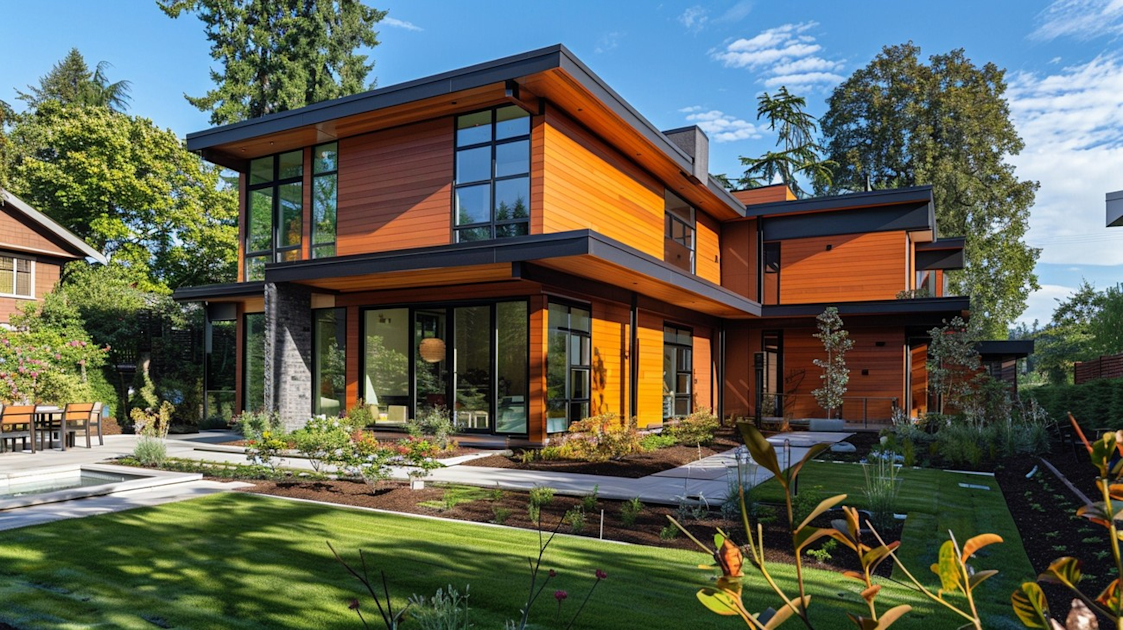


In recent years, the necessity for fire resistant building materials has become increasingly apparent. With the rise in wildfires and extreme weather conditions, homeowners and developers are seeking durable solutions to protect their properties. One pivotal component in fortifying your home against fire is through the use of fire resistant siding. This comprehensive guide delves into the different types of fire resistant siding, their benefits, and factors to consider while making a choice.
Understanding Fire Resistant Siding
Fire resistant siding is specially designed to withstand high temperatures and slow down the spread of fire. These materials are characterized by their ability to endure heat and flames, offering vital protection to the structural integrity of buildings in fire-prone areas. There is a wide array of materials available, each providing different layers of protection.
Popular Types of Fire Resistant Siding
Fiber Cement Siding
Fiber cement siding is renowned for its superior fire resistance. Composed of cement, sand, and cellulose fibers, this material is non-combustible and incredibly resilient.
- Fire Rating: Fiber cement typically achieves a Class A fire rating, which is the highest standard.
- Durability: It is not only fire resistant but also resistant to insects and water damage.
- Aesthetic Appeal: Available in various textures and designs, fiber cement can mimic the appearance of wood or stucco.
Brick and Brick Veneer
Brick has been a traditional choice for fire resistant construction due to its natural composition of clay minerals.
- Fire Resistance: Brick does not ignite and acts as an effective barrier to fire spread.
- Longevity: With proper maintenance, brick siding can last for over a century.
- Eco-Friendly: Brick is a sustainable material, contributing to eco-friendly construction practices.
Metal Siding
Metal siding, often crafted from steel or aluminum, offers remarkable resistance to fire and extreme weather.
- Performance Under Fire: Metals do not combust, offering a robust shield against fire.
- Versatility: Available in a range of colors and finishes, metal siding complements both modern and traditional architecture.
- Strength: Metal siding is also resistant to pests, corrosion, and impact damage.
Stucco Siding
Traditional stucco siding provides a high level of fire resistance thanks to its cementitious properties.
- Fire Rating: Stucco typically achieves a Class 1 fire rating.
- Insulation Benefits: Apart from fire resistance, stucco also provides excellent thermal insulation.
- Maintenance: Stucco requires periodic maintenance to prevent cracking.
Benefits of Fire Resistant Siding
Investing in fire resistant siding bestows multiple benefits beyond fire safety. Here’s how it can enhance the livability and value of your home:
- Safety and Peace of Mind: Fire resistant materials provide a crucial layer of defense in safeguarding occupants during a fire.
- Insurance Benefits: Homes with fire resistant features may qualify for reduced insurance premiums.
- Increased Property Value: Fire resistant features enhance the resale value of homes, making them attractive to potential buyers.
- Energy Efficiency: Many fire resistant materials also offer added insulation, contributing to reduced energy consumption and costs.
Considerations When Choosing Fire Resistant Siding
Local Regulations and Codes
Before selecting the siding material, it's essential to check local building codes and fire safety regulations. Ensure that the chosen material complies with the fire safety rating required in your area.
Climate and Environmental Factors
Consider the climate and environmental conditions of your location. Some materials perform better in specific weather conditions and terrains. For example, metal siding is highly durable in areas prone to heavy snowfall or storms.
Budget and Installation
Budget plays a significant role in your choice of siding. While some options like brick and fiber cement may have higher upfront costs, their longevity and minimal maintenance often result in cost savings over time.
- Installation Costs: Factor in the cost of labor and installation. Some materials, such as stucco, may require skilled craftsmen.
- Maintenance: Evaluate the long-term maintenance requirements, as some materials demand more care and attention to keep them in prime condition.
Aesthetic Preferences
The appearance of your siding can dramatically influence the overall look of your home. Make sure to choose a material that aligns with your architectural style and personal tastes.
Manufacturer's Reputation
Selecting a reputable manufacturer ensures quality and reliability. Look for established brands with positive reviews and proven track records.
Frequently Asked Questions About Fire Resistant Siding
How does fire resistant siding protect homes?
Fire resistant siding helps protect homes by providing a strong barrier that can withstand exposure to flames and heat. The materials used in this type of siding are designed to resist ignition and reduce the spread of fire, giving homeowners more time to safely evacuate and for emergency services to respond. Advanced materials like fiber cement, metal, and treated wood are typically used to manufacture fire resistant siding. These materials do not catch fire easily and do not contribute to the flame spread, thereby improving the overall fire safety of a structure.
What materials are commonly used for fire resistant siding?
Common materials used for fire resistant house siding include fiber cement, metal, stucco, and specially treated wood. Fiber cement is highly popular due to its composition of cellulose fibers, sand, and cement, which provide excellent fire resistance. Metal siding, often made from steel or aluminum, is also non-combustible and offers an additional layer of protection. Stucco, composed of Portland cement, lime, and sand, provides a great fire-resistant finish when applied correctly over a solid base. Treated wood siding is chemically treated to enhance its natural fire-resistant properties without compromising on aesthetics.
Is fire retardant siding the same as fire resistant siding?
While the terms are often used interchangeably, there is a subtle difference between fire retardant siding and fire resistant siding. Fire retardant siding is treated with chemicals to slow down the ignition and burning processes, whereas fire resistant siding is designed to prevent catching fire or slow the spread of flames inherently due to its material composition. Fire resistant siding provides a longer-term solution as it does not rely solely on chemical treatments to offer protection. Both options serve the critical purpose of enhancing a structure’s safety against fire, but understanding the material differences can help in making an informed choice.
Can I install fire resistant siding on my existing home?
Yes, you can install fire resistant siding over an existing home during a remodel or retrofit project. This process typically involves removing the current siding and installing the fire resistant materials, although in some cases, it can be installed as an additional layer without complete removal of old siding. It's crucial to assess the structural condition of your existing walls and consult with professional contractors to ensure proper installation and maximum effectiveness in improving fire safety. Retrofitting with fire resistant siding can be a significant investment in your home’s longevity and your peace of mind.
How does fiber cement compare to metal siding in terms of fire resistance?
Fiber cement siding and metal siding are both excellent choices for fire-resistant applications, but they have different properties. Fiber cement is made from a combination of cellulose fibers, sand, and cement, giving it a high level of fire resistance as it does not ignite or contribute to flame spread. Metal siding, which includes materials like steel and aluminum, is inherently non-combustible and can protect the structure from direct flame exposure as well. The main difference lies in aesthetics, durability, and maintenance preferences, as fiber cement can mimic wood textures while metal offers a sleek and modern appearance. Both types provide robust fire protection, making them suitable for fire-prone areas.
Does installing fire resistant exterior siding affect home insurance rates?
Installing fire resistant exterior siding can positively affect your home insurance rates. Many insurance companies offer lower premiums for homes that incorporate safety features such as fire-resistant materials. This is because fire resistant siding can lower the risk of fire damage, reducing the potential costs for claims related to fire incidents. If you are considering upgrading to fire resistant siding, it’s a good idea to check with your insurance provider to understand any possible discounts or rate reductions available. Providing your insurer with documentation of the materials used can further help in securing these benefits.
Are there environmental benefits to using fire resistant siding?
Yes, there are environmental benefits to using fire resistant siding, particularly when it comes to resource sustainability and reducing carbon emissions. Materials like fiber cement are not only fire-resistant but also made from abundant resources such as sand and cement, reducing dependence on forest products. Additionally, by offering increased protection against fire, fire resistant siding can help prevent the release of toxic pollutants produced by house fires, contributing to cleaner air. The durability and long lifespan of fire resistant siding further minimize the need for frequent replacements, reducing waste and the environmental footprint associated with manufacturing and disposal.
How does fire resistant siding impact the value of a property?
Fire resistant siding can significantly enhance the value of a property by adding a layer of safety, reducing maintenance costs over time, and improving resilience against natural disasters. Homes with features focused on fire safety tend to appeal more to buyers in fire-prone areas, making them a better investment. The aesthetic options available with fire resistant materials, along with their durability and low maintenance, can contribute positively to a home’s marketability. Appraisals may reflect the added security and longevity that fire resistant siding offers, potentially leading to a higher property valuation.
Can I paint or change the color of fire resistant siding?
Yes, you can paint or change the color of most types of fire resistant siding, particularly materials like fiber cement and treated wood. These sidings accept paint well and can be customized to match your desired aesthetic. However, it’s important to use high-quality, fire-retardant paints to maintain the siding's fire-resistant properties. Additionally, it's recommended to follow manufacturer guidelines or consult a professional to ensure the painting process does not compromise the siding's performance. Regular maintenance and timely repainting can enhance the curb appeal of your home while maintaining its protective features.
The Scoop on Fire Resistant Siding: Weighing the Good and the Not-So-Good
Pros
Enhanced Safety
Opting for fire resistant siding is a smart move in enhancing the safety of your home. The main benefit here is obvious: it’s resistant to fire. If you live in areas prone to wildfires or have a barbecue enthusiast near lots of vegetation, this can offer peace of mind. By adding an extra layer of security, you’re protecting not only your property but also those who live in it.
Durability
Fire resistant sidings are often made from robust materials like fiber cement, brick, or metal. These materials don't just fend off flames; they also stand up to harsh weather conditions. Whether it's the scorching sun, torrential rains, or gusty winds, fire resistant siding tends to endure, reducing the need for frequent repairs and replacements.
Insurance Benefits
Here's something you might not have thought about: having fire resistant siding can sometimes lower your homeowner’s insurance premiums. Insurance companies recognize the lower risk of fire damage, which can translate to savings. Always a nice little perk to have!
Energy Efficiency
Surprisingly, some fire resistant sidings also contribute to better energy efficiency. Materials such as stucco and fiber cement help insulate your home, keeping it cooler in the summer and warmer in the winter. Who knew that being fire-smart could also mean lower heating and cooling costs?
Environmental Friendliness
Many fire resistant siding materials are eco-friendly. Fiber cement siding, for example, is made from sustainable materials like sand, cement, and cellulose fibers. Going green doesn't stop at energy efficiency – it can also mean choosing materials that are kinder to our planet.
Cons
Cost
Let's address the elephant in the room: the expense. Fire resistant siding generally comes with a higher upfront cost compared to traditional siding options. The materials and installation can put a dent in your wallet. However, weighing this against the benefits and potential savings on repairs might help soften the blow.
Limited Aesthetic Options
While there are plenty of choices, aesthetic options can be somewhat limited compared to traditional sidings. Some materials like brick or metal might not suit every architectural style or personal taste. If you’re particular about aesthetics, this might require some compromise or creativity to get the look you want.
Installation Complexities
Installation can be a bit of a headache. Some fire resistant materials like fiber cement are heavier and require more detailed and careful installation. This often means hiring professionals, which can further add to the costs and time involved in your siding project.
Potential Maintenance
Despite the promise of durability, certain fire resistant siding materials, such as certain kinds of metal or fiber cement, might still require periodic maintenance to keep them looking their best. Metal can rust if not properly treated, and fiber cement might need repainting over time.
Weight
The weight of these materials can be a hassle. They can be quite heavy, making transportation and installation more labor-intensive. This might not be a daily concern for homeowners, but it definitely factors into the complexity and cost of your project.
Final Thoughts
Choosing fire resistant siding is a smart decision for protecting your home from the dangers of wildfires and other unexpected threats. With so many options available, it's essential to consider factors like material durability, aesthetics, and local climate conditions. For homeowners in Sacramento, CA, investing in high-quality siding not only enhances your property's curb appeal but also provides peace of mind knowing your home is better protected.
If you're considering upgrading your home's exterior, we'd love to help you explore our fire resistant siding options tailored to your needs. At GVD Builders & Construction, we pride ourselves on being the trusted local experts, and we’re here to guide you through the selection and installation process. Don’t hesitate to reach out for a consultation or to request a free estimate—we're excited to help you keep your home safe and stylish!
The content provided here is intended for informational purposes only and should not be considered professional advice. We recommend consulting with a qualified specialist before making any decisions related to your project. Pricing, product availability, and specifications are subject to change without notice. Any references to specific brands or products represent our opinions and do not constitute official endorsements or guarantees of performance.


