

When it comes to enhancing your outdoor living space, choosing the right deck material can make all the difference. The material you select not only affects the aesthetic appeal but also impacts durability, maintenance, and cost. In this guide, we’ll explore some of the best deck material options available today, helping you make an informed decision for your next home improvement project.
Traditional Wood Decking
Why Wood Is a Classic Choice
Wood remains a favored option for decking due to its natural beauty and versatility. There's something intrinsically appealing about the look and feel of a wood deck. The grain patterns, rich colors, and the fact that each piece is unique make wood a classic choice.
Popular Wood Species
Redwood and Cedar: Naturally resistant to pests and decay, redwood and cedar offer stunning hues and are relatively easy to work with. Although these woods are softer and may require more maintenance, their natural oils provide protection from the elements.
Pressure-Treated Lumber: Known for its affordability, pressure-treated wood is chemically treated to resist rot and insect damage. It’s a versatile option for various climates, although it may warp or crack over time without proper care.
Tropical Hardwoods: Celebrate nature’s artistry with species like ipe, mahogany, or teak. These dense woods are extremely durable and offer a long-lasting, luxurious appearance. Keep in mind, however, they can be harder to install and are often more expensive.
Caring for Your Wood Deck
Routine maintenance like staining or sealing, power washing, and sanding ensures your wood deck remains in great shape and extends its lifespan.
Composite Decking
The Low-Maintenance Alternative
Composite decking has gained immense popularity for its low-maintenance requirements and longevity. Made from a blend of wood fibers and plastic, this material offers the look of natural wood without the hassles of constant upkeep.
Key Benefits
- Durability: Resistant to rot, warping, and insect infestation, composite decking can withstand harsh weather conditions, making it a long-lasting option.
- Eco-Friendly: Many composite options are made from recycled materials, providing an environmentally friendly solution for homeowners.
- Variety of Styles: With endless color and texture options, composite decking can mimic almost any wood species, allowing you to achieve your dream deck aesthetic.
Tips for Composite Decking
When choosing composite, consider the brand's warranty and the type of composite: solid or hollow. Solid tends to be more durable, while hollow may provide a budget-friendly option.
PVC Decking
The Ultimate in Durability
PVC decking, made entirely of plastic, is a premium choice known for being nearly maintenance-free. It’s a standout option in environments prone to harsh weather or extreme sunlight.
Advantages of PVC Decking
- Stain and Scratch Resistance: PVC is ideal for households with kids and pets, as it handles stains and scratches with ease.
- Water Resistance: Unlike wood, PVC doesn’t absorb water, making it excellent for decks near pools or in wet climates.
- Longevity: Typically backed by extended warranties, PVC decking resists fading and wear over time.
Considerations for PVC Decking
While PVC tends to have a higher initial cost, its longevity and lack of required ongoing maintenance make it a cost-effective option over time.
Aluminum Decking
A Modern, Sturdy Choice
If you’re seeking an industrial look with outstanding durability, aluminum decking could be the choice for you. It's known for strength and a sleek modern appeal.
Why Choose Aluminum?
- Unmatched Durability: Aluminum doesn’t rot, warp, or crack. It's also fire-resistant, making it an exceptionally safe and sturdy option.
- Lightweight and Easy to Install: Despite its strength, aluminum is lightweight, simplifying installation.
Maintenance and Longevity
Aluminum decking is termite-resistant and doesn’t demand the regular maintenance wood requires. These qualities make it an Ultra-low-maintenance option.
Concrete Decking
Versatility Meets Durability
Adding a rugged charm to your outdoor space, concrete decking can be an excellent choice for homeowners seeking durability and style.
Benefits of Concrete Decking
- Customization: With endless possibilities for texture, color, and design, concrete offers a highly customizable decking surface.
- Strength: Concrete is incredibly robust, ideal for bearing heavy weight and enduring harsh weather conditions.
- Minimal Maintenance: Concrete decks require sealing and occasional cleaning, but their solid structure prevents many common decking problems.
Key Considerations
Be aware that concrete can be prone to cracking in extreme weather or if not properly installed. Engaging an experienced professional can mitigate such risks.
Best Deck Material Options FAQ
What are some of the most popular materials for decks?
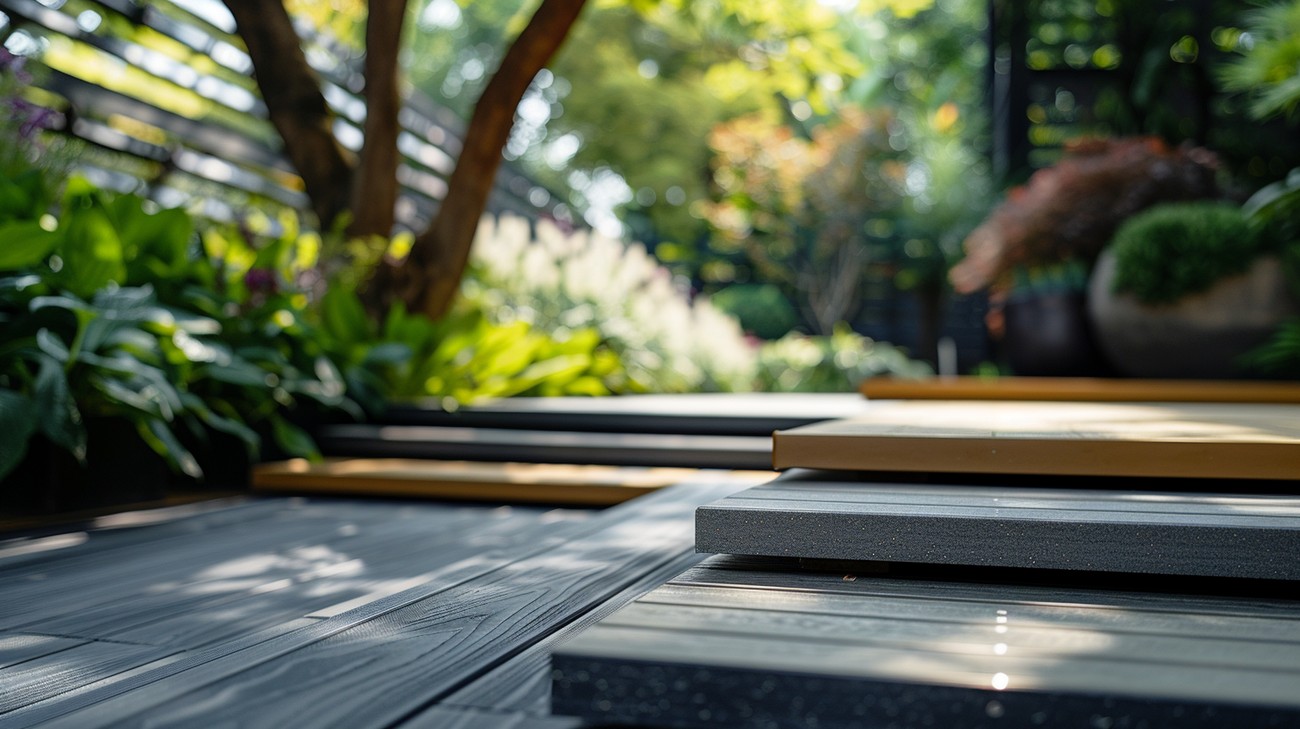
When it comes to choosing the best deck material options, several popular materials come to mind. Some of the most sought-after materials include pressure-treated wood, cedar, composite decking, PVC decking, and hardwood. Each of these materials offers unique benefits and aesthetics. Pressure-treated wood is affordable and widely used, while cedar provides natural resistance to decay. Composite decking, made from recycled wood fibers and plastic, offers low maintenance and durability. PVC decking is impervious to moisture and won't rot, making it a great long-term investment. Hardwood options, such as ipe or mahogany, deliver a luxurious look with excellent longevity.
Is composite decking better than wood?
Composite decking often stands out when comparing deck material options due to its low maintenance requirements and longevity. Unlike traditional wood decking, composite materials resist rot, insects, and fading, significantly reducing the need for regular maintenance like staining or sealing. Additionally, composite decking is made from recycled materials, making it an eco-friendly choice. Although it can be more expensive initially than some wood options, its durability and minimal upkeep costs can provide overall savings in the long run. However, some homeowners prefer the natural beauty and feel of real wood, which composite materials attempt to mimic but never quite replicate.
How does pressure-treated wood compare to other decking materials?
Pressure-treated wood remains one of the most common decking materials due to its affordability and availability. It is wood that has been infused with chemical preservatives to make it resistant to insects and decay. When lined up against other deck material options, pressure-treated wood is often considered economical, making it an ideal choice for budget-conscious homeowners. While it may require more maintenance, such as sealing and staining, to prolong its lifespan and enhance its appearance, it offers a classic, natural look that many homeowners love. Careful upkeep can ensure it lasts for many years, providing a solid return on investment.
What are the benefits of using cedar as a decking material?
Cedar is praised as a top contender among the best deck material options due to its natural beauty and excellent resistance to decay and insects. As a softwood, cedar is lighter than many other decking materials, making it easier to work with during the installation process. Its natural oils help preserve the wood and repel insects, which can extend the life of your deck. Another great benefit is its stunning color and rich textures, which add a touch of elegance to any outdoor space. However, similar to other wood options, cedar requires regular maintenance, such as staining or sealing, to help retain its beauty over time.
How durable are hardwood decking materials like ipe?
Hardwoods like ipe are often touted as one of the best deck material options due to their unparalleled durability and strength. Ipe, in particular, is renowned for its density and resistance to insects, rot, and weathering, often lasting over 25 years with minimal maintenance. Its hardness means that it can withstand heavy foot traffic and even the harshest weather conditions, making it an exceptional choice for environments exposed to the elements. In addition to its durability, ipe boasts a beautiful, rich appearance that deepens with age, offering a sophisticated aesthetic. Though it may come with a higher price point, many consider it a worthwhile investment in the longevity and beauty of their deck.
What exactly is PVC decking, and why should I consider it?
PVC decking is a synthetic material specifically engineered to be an excellent choice among modern deck materials. Unlike wood or composite options, PVC is made entirely of polyvinyl chloride, which means it contains no organic content that might decay or attract insects. This feature ensures that PVC decking is incredibly resistant to moisture, mold, and mildew, making it ideal for climates with high humidity or frequent rainfall. Its vivid colors and textures are also designed to closely mimic natural wood, providing aesthetic appeal along with practical benefits. Although initially, PVC decking can be more costly, its non-permeable surface offers virtually maintenance-free living and can last for decades without showing signs of wear.
Are there eco-friendly decking materials available?
With an increasing focus on sustainability, there are several eco-friendly deck material options to consider. One popular choice is composite decking, made from a blend of recycled wood fibers and plastic. This not only helps repurpose waste but also produces a long-lasting product that requires fewer resources to maintain. Bamboo decking is another eco-friendly option to explore; as one of the fastest-growing plants on the planet, bamboo can be harvested without causing long-term environmental damage. Some companies also offer modified wood products, which sustainably enhance the durability of softwoods, eliminating the need for chemical treatments. These options allow you to build a beautiful deck while reducing your ecological footprint.
Why might someone choose aluminum decking?
Aluminum decking is gaining traction as an innovative option among the best deck material choices due to its exceptional durability and unique characteristics. As a metal, aluminum will not rot, warp, crack, or splinter over time, presenting a highly durable alternative to traditional wood or even composite materials. It's also non-combustible and resistant to pests, making it attractive for areas prone to wildfires or pest infestations. Aluminum decking typically features a built-in water dispersion system beneath its surface, channeling away rainwater and keeping underlying areas dry. While it tends to be more expensive initially, its long life expectancy and low maintenance needs often offset the upfront cost.
How do climate and environment influence the best deck material choices?
The climate and environment where you live play a crucial role in determining the best deck material options for your needs. For areas with high humidity or frequent rainfall, choosing materials that resist moisture, such as composite or PVC decking, can enhance longevity and minimize maintenance. In regions with extreme weather conditions, like intense sun, high-temperature fluctuations, or heavy snowfall, materials like ipe or aluminum, known for their durability, may be better suited. If your deck will be near a body of saltwater, materials that resist corrosion, such as marine-grade aluminum, can prevent early deterioration. Considering your local climate can ensure your deck lasts longer and retains its beauty without extensive upkeep.
Comparison
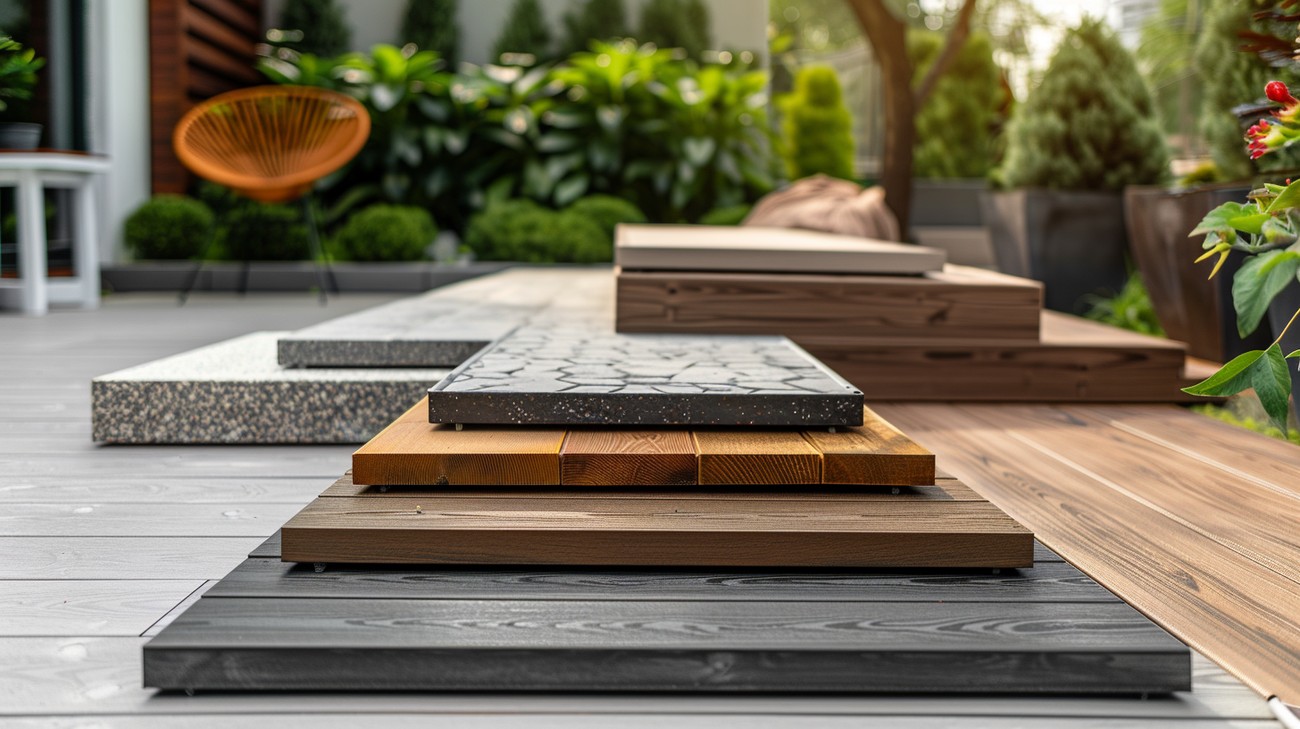
Key Features Comparison
| Feature | Wood | Composite | PVC |
|---|---|---|---|
| Appearance | Natural wood grain, warm | Wood-like finish, variety of colors | Smooth with a range of color options |
| Maintenance | High: requires sealing and staining | Low: occasional cleaning | Very low: occasional cleaning |
| Durability | Prone to cracking, splintering, and warping | Resists warping, cracking, and splintering | Highly resistant to moisture and insects |
| Eco-friendly | Natural material, can be sustainably sourced | Made from recycled materials | Less eco-friendly, synthetic material |
| Installation | Can be DIY but requires tools | Often requires professional installation | Easier to install, often DIY-friendly |
Performance Differences
Wood Decking: Wood offers an authentic, classic look that many homeowners love. However, it is susceptible to the elements, meaning it can crack, warp, and splinter over time. Regular maintenance is necessary to help prolong its life. Hardwoods like cedar and redwood are more durable compared to pressure-treated pine.
Composite Decking: Composite decking blends natural wood fibers with plastic. This material provides the aesthetic appeal of wood but with increased resistance to weathering, pests, and decay. It’s less prone to splintering and requires minimal maintenance, making it an excellent long-term investment. However, it might fade over time and can be hot underfoot in direct sun.
PVC Decking: Made entirely of polyvinyl chloride, PVC decking is incredibly durable and virtually impervious to rot, mold, and insects. It’s an ideal choice for areas prone to moisture. It requires the least maintenance—only occasional washing. While offering fewer environmental benefits since it’s entirely synthetic, recent advancements have made some products more eco-friendly.
Price Comparison
| Material | Price Range per Sq. Ft. |
|---|---|
| Wood (Cedar/Redwood) | $4 - $8 |
| Composite | $7 - $12 |
| PVC | $7 - $13 |
Wood remains the most cost-effective option initially, but the need for regular maintenance can increase long-term costs. Composite and PVC decking are more expensive upfront, but their durability and low-maintenance needs often translate to cost savings over time.
Best Use Cases for Each
Wood Decking: Ideal for those who prefer a traditional aesthetic with the warmth and authenticity of natural wood. It's best for covered or shaded areas that don't experience extreme weather conditions, where its vulnerability to the elements won't be excessively tested.
Composite Decking: Perfect for those seeking a balance between aesthetic appeal and minimal maintenance. Composite is well-suited for busy homeowners who want durability and a bit of that natural wood look without the upkeep. It's great for regions with fluctuating weather conditions.
PVC Decking: Best for areas with heavy rainfall or high humidity, such as coastal regions, where moisture-resistance is critical. Homeowners who prefer a more modern look and wish to avoid any maintenance beyond simple cleaning will also find PVC appealing, albeit with possibly less warmth in appearance than wood.
Bottom Line Recommendation
Choosing the right deck material largely depends on your personal preferences, budget, and the climate of your area. For those who cherish natural aesthetics and are willing to put in the work, wood remains a timeless choice. If you seek longevity and easy care without compromising too much on looks, composite offers an excellent middle ground. For maximum durability and the least maintenance, especially in moisture-rich environments, consider PVC. Each option has its trade-offs, so weigh these key aspects to find the best fit for your outdoor space.
Buyer's Guide: What to Look For
Key Factors to Consider
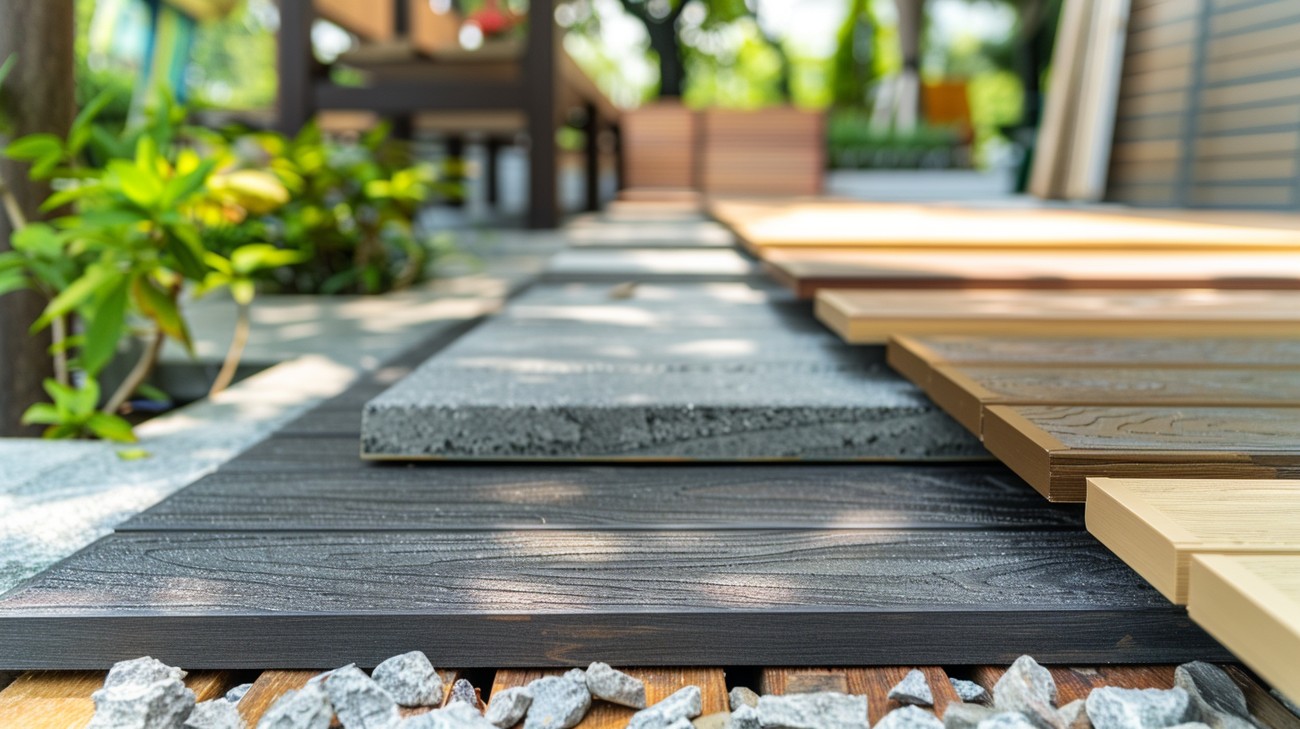
When you're in the market for deck materials, several key factors will guide you to make the right choice. Let's dive right in:
Durability and Longevity: You want a material that will stand up to the elements and last for years. Consider materials like composite decking, which resist rotting, warping, and splintering. Pressure-treated wood is also a popular option for its durability.
Budget: Balancing quality with cost is crucial. Remember, investing a bit more upfront on quality material could save you from expensive repairs or replacements in the future.
Maintenance Requirements: Consider how much time you're willing to spend on upkeep. Materials like PVC decking are low maintenance, while natural wood will require regular sealing and staining.
Aesthetic Appeal: The design and style of your deck can significantly impact your home's overall look. Think about how the material color and texture fit with your existing outdoor space.
Environmental Impact: If being eco-friendly is important to you, consider sustainable materials like bamboo or FSC-certified woods. Some composite materials are made from recycled content too.
Must-have vs Nice-to-have Features
When distinguishing between must-have and nice-to-have features, think about what you need versus what would simply be a bonus.
Must-have Features:
- Weather Resistance: Essential for withstanding rain, snow, and sun.
- Safety: Look for non-slip surfaces, especially if your deck will get wet.
- Building Code Compliance: Your materials should meet local building regulations for safety.
Nice-to-have Features:
- Color Variety: It's nice to have multiple color options to perfectly match your aesthetic.
- Texture Options: Different textures can add visual interest and a custom feel.
- Hidden Fasteners: These create a smooth, nail-free look that's sleek and modern.
Red Flags to Avoid
Not all deck materials are created equal. Here are some red flags to watch out for:
- Warping or Cracking: Early signs of these indicate poor-quality materials.
- High Maintenance Needs: If a material requires excessive effort to keep up, it might not be worth the hassle.
- Exorbitant Price with Low Durability: High price should match high-quality materials.
- Limited Warranty: A strong warranty is a sign of confidence from the manufacturer. Be wary of materials with little to no warranty.
Questions to Ask Before Buying
Asking the right questions can save you from headaches later on. Here are some to get you started:
- What is the expected lifespan of this material?
- What maintenance does it require, and how often?
- Is the material environmentally sustainable?
- Does it come with a warranty, and what does it cover?
- Are there any special installation requirements or considerations?
How to Spot Quality
Spotting high-quality deck materials isn’t hard once you know what to look for:
- Material Certifications: Look for certifications like FSC or ADA compliance, which speak to sustainability and safety.
- Solid Warranties: Lengthy warranties can indicate the manufacturer stands behind their product’s durability and longevity.
- Uniformity: High-quality materials have consistent color and texture, indicating good manufacturing processes.
- Weight and Density: Heavier and denser materials often translate to stronger and more durable decking.
Final Thoughts
Choosing the right deck material is essential for creating a space that not only looks great but also stands the test of time. We’ve explored a variety of options, from traditional woods to modern composites, each with its unique advantages and perfect applications for your home. Whether you're drawn to the charm of natural wood or the durability of synthetic materials, understanding these best deck material options will help you make an informed decision that enhances your outdoor living experience.
If you're ready to transform your outdoor space, we’re here to help. At GVD Builders & Construction, serving homeowners in Sacramento, CA, we specialize in deck installations that complement your style and meet your needs. Contact us today to schedule a consultation, and let's bring your vision to life with the perfect materials for your dream deck.
The content provided here is intended for informational purposes only and should not be considered professional advice. We recommend consulting with a qualified specialist before making any decisions related to your project. Pricing, product availability, and specifications are subject to change without notice. Any references to specific brands or products represent our opinions and do not constitute official endorsements or guarantees of performance.


