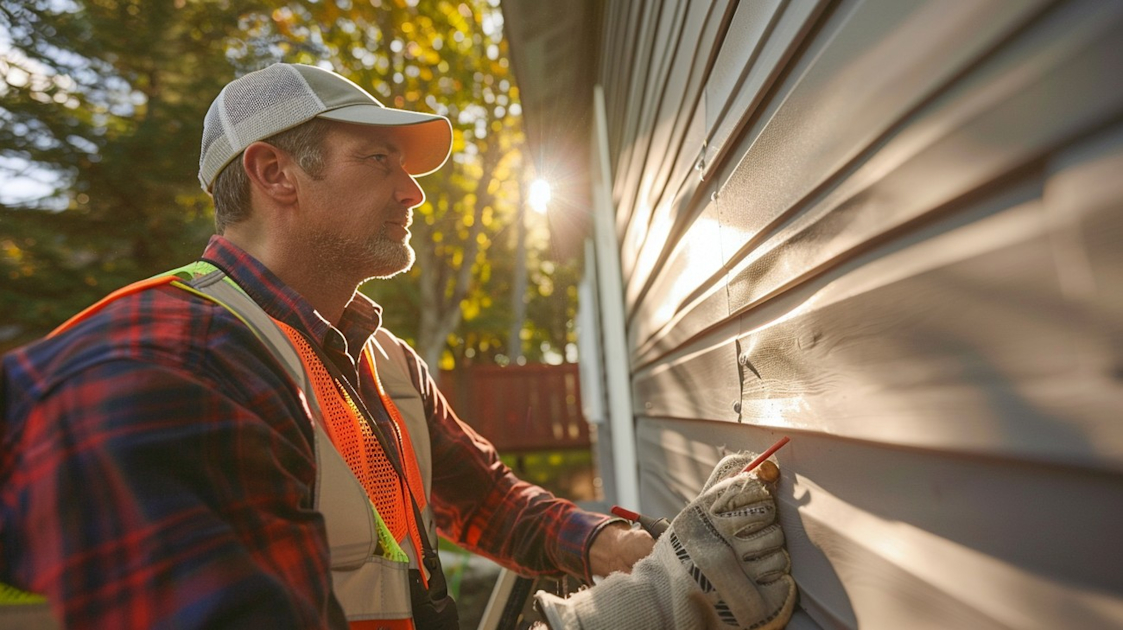


Aluminum siding has been a popular choice for home exteriors since the mid-20th century, celebrated for its durability, lightweight properties, and resistance to rust and pests. However, like any building material, it can suffer wear and tear over time. This article will provide an in-depth look at aluminum siding repair, offering step-by-step instructions, tips, and advice to restore your home’s exterior to its original charm.
Understanding Aluminum Siding
What is Aluminum Siding?
Aluminum siding is a type of exterior cladding for homes, made primarily from aluminum, a metal known for its excellent durability and resistance to corrosion. It first gained popularity as a low-maintenance alternative to wood siding, thanks to its ability to withstand harsh weather conditions and its fire-resistant properties.
Common Problems with Aluminum Siding
While aluminum siding is known for its long-lasting nature, several issues can arise:
- Dents and Dings: Due to its relatively soft texture, aluminum siding can accumulate dents from hail, debris, or even accidental bumps.
- Fading: Over time, the color of aluminum siding can fade due to prolonged exposure to sunlight.
- Scratches and Gouges: The surface can become scratched, impacting its visual appeal.
- Corrosion: Although aluminum is resistant to rust, it can corrode if the paint coating is not maintained adequately.
Assessing the Damage
Conduct a Thorough Inspection
Before attempting any repairs, it's essential to assess the condition of your aluminum siding. Walk around your property and look for:
- Visible dents or dings
- Scratches and peeling paint
- Areas with apparent fading or discoloration
- Loose or missing panels
Document the Damage
Take detailed notes or photographs of the affected areas. This will help in evaluating whether a DIY approach is feasible or if professional assistance might be necessary.
Preparing for the Repair
Essential Tools and Materials
Gathering the right tools and materials is crucial for an effective aluminum siding repair. Here's what you'll need:
- Hammer and block of wood (for dent removal)
- Sandpaper or wire brush
- Paint scraper
- Exterior-grade paint (designed for metal surfaces)
- Aluminum siding cleaning solution
- Protective gear (gloves, goggles)
- Caulking gun and sealant
Safety Precautions
Ensure your safety by wearing appropriate gear, such as gloves and goggles. If you're using ladders, ensure they are stable and on level ground.
Step-by-Step Repair Guide
Fixing Dents and Dings
Removing dents from aluminum siding is easier than you might think:
- Position the Wood Block: Place a block of wood against the dent on the siding.
- Tap with a Hammer: Gently tap the block with a hammer to push out the dent. The wood helps to distribute the force evenly, minimizing further damage.
- Check and Repeat: Inspect the results and repeat if necessary, until the siding is back to its original shape.
Repairing Scratches and Gouges
To address scratches and gouges, follow these instructions:
- Clean the Surface: Use a siding cleaner to remove dirt and debris from the affected area.
- Sand the Area: Lightly sand the scratch or gouge to smooth out the surface.
- Apply Paint: Use a paint scraper to apply a primer, followed by a coat of exterior-grade paint that matches the siding color.
- Seal Gaps: Use sealant around any visible gaps to prevent moisture ingress.
Repainting Faded Panels
Repainting is a straightforward process when addressed systematically:
- Clean Thoroughly: Clean the entire siding surface to eliminate dust and grime.
- Prime the Surface: Apply an appropriate primer to help the new paint adhere better.
- Apply Paint Evenly: Use a sprayer or roller to paint evenly. Opt for exterior-grade paint designed for metal surfaces, ensuring longevity and weather resistance.
Maintenance Tips for Longevity
Preventive maintenance is key to prolonging the life of aluminum siding:
- Regular Cleaning: Maintain a yearly cleaning schedule to remove dirt and mold, which can degrade paint and sealant.
- Prompt Repairs: Address minor damages as they appear to prevent worsening conditions.
- Inspect Seams and Edges: Check and reseal sections where caulk may have deteriorated.
Seasonal Checks
Incorporate biannual inspections into your routine:
- Spring: Look for winter damage or areas where snow and ice may have exacerbated existing problems.
- Fall: Prepare for colder months by ensuring all paint and sealants are intact.
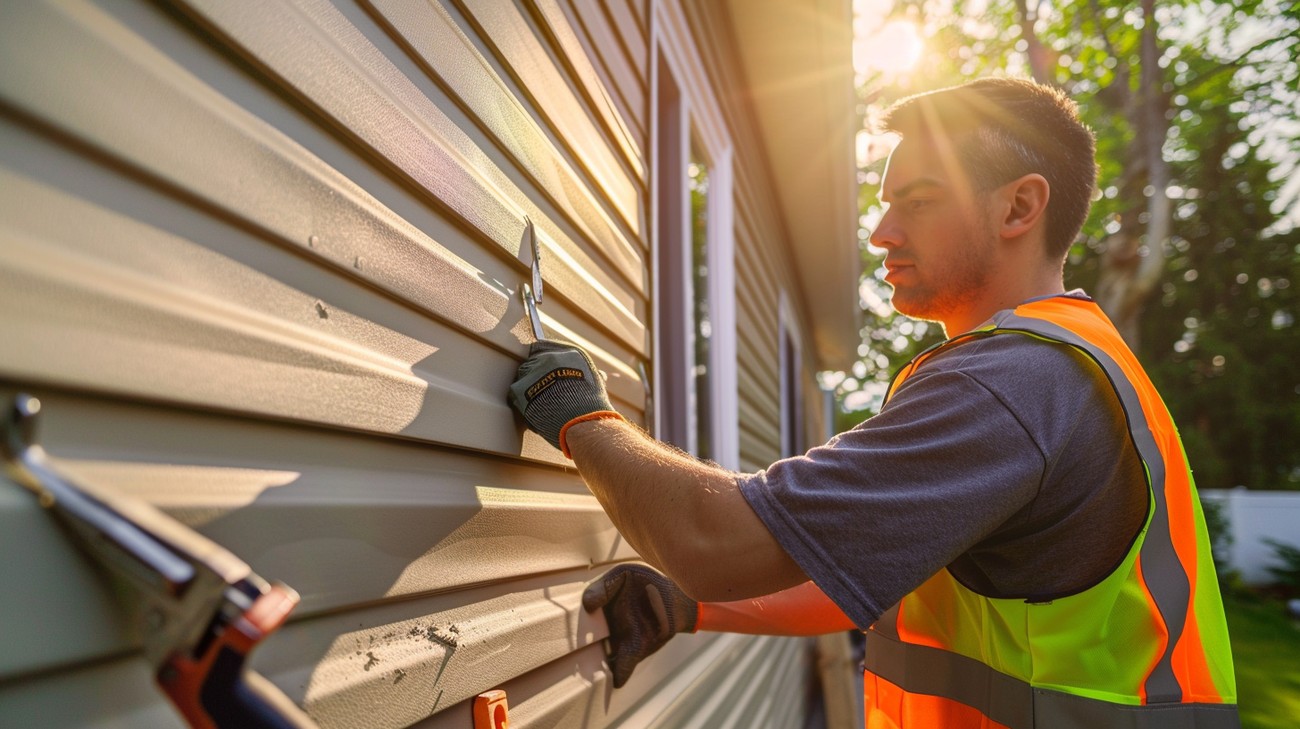
Aluminum Siding Repair FAQ
How do I know if my aluminum siding needs repair?
Identifying the need for aluminum siding repair involves checking for signs of damage such as dents, scratches, faded color, or bubbling paint. Additionally, look for visible gaps or loose panels that might allow moisture or pests to penetrate. Regular inspection of your home's exterior, particularly after harsh weather conditions, can help you catch these issues early. If you notice excessive noise on windy days or drafts inside your house, these could also indicate that your aluminum siding needs attention.
What are the common causes of damage to aluminum siding?
Aluminum siding can suffer damage due to weather exposure, such as heavy winds, hail, and temperature fluctuations. Everyday incidents, like children playing in the yard or flying debris, may also dent or scratch the surface. Over time, exposure to sunlight can cause the paint on aluminum siding to chalk and fade. It's crucial to address these damages quickly to prevent further issues like water infiltration or pest infestations.
How can I repair small dents in aluminum siding myself?
Repairing small dents in aluminum siding is a straightforward process you can often handle yourself. Start by cleaning the affected area with soapy water and a soft cloth to remove dirt and debris. Next, apply a hairdryer or a heat gun to the dent for a few minutes to expand the metal slightly—this may help the dent pop out. If the dent persists, use a rubber mallet to gently tap around the perimeter of the dent to level the surface. Finish by repainting the section to match the existing siding.
Can I paint over aluminum siding, and how do I do it correctly?
Yes, you can paint over aluminum siding to refresh its appearance or cover repairs. First, thoroughly clean the surface with a power washer to remove dirt, mildew, and old paint. Allow it to dry completely before sanding any glossy areas to ensure the new paint adheres well. Apply a primer specifically designed for metal siding and follow with a high-quality exterior paint. Use a brush or a sprayer for even application, and be sure to paint on a calm, dry day to achieve the best results.
What are the benefits of hiring a professional for aluminum siding repair?
Hiring a professional for aluminum siding repair ensures a high-quality outcome, saving you time and effort while minimizing the risk of further damage. Professionals have the expertise to correctly assess the extent of the damage and determine the best repair method. They also have access to specialized tools and materials, ensuring durable and aesthetically pleasing results. Additionally, professional repairs often come with a warranty, providing peace of mind with regard to your home's exterior.
How do I match the color of my existing aluminum siding when doing repairs?
When repairing aluminum siding, matching the color of your existing siding is crucial for a seamless appearance. Start by checking for paint codes in any documentation you received when your siding was initially installed, or take a piece of your siding to a paint store for color matching. If you can't find an exact match, some manufacturers offer custom paint mixing based on a sample. Remember that weathering over time can alter the color, so blending new and old sections may require some experimentation.
What tools will I need for DIY aluminum siding repairs?
For DIY aluminum siding repairs, you'll need a few essential tools, including a hammer or rubber mallet for dent removal, a heat gun for minor expansions, and a utility knife for trimming damaged areas. Sandpaper and a primer designed for metal surfaces are necessary for preparing the repair site before painting. If you're replacing sections, you'll need a drill and screws suitable for exterior use, as well as a ladder to access upper areas safely. Having these tools on hand will prepare you for various repair tasks.
How can I prevent future damage to my aluminum siding?
Preventing future damage to your aluminum siding involves regular maintenance and proactive steps to protect it from potential threats. Trim nearby trees and shrubs to avoid scratches from branches. Install gutters and downspouts to manage water runoff, preventing accumulation near your siding. Inspect your siding regularly for any issues and address them promptly. Consider applying a quality sealant or weather-resistant coating to enhance its durability against the elements. Additionally, reducing direct impacts, like those from lawn equipment, can help maintain the siding's integrity.
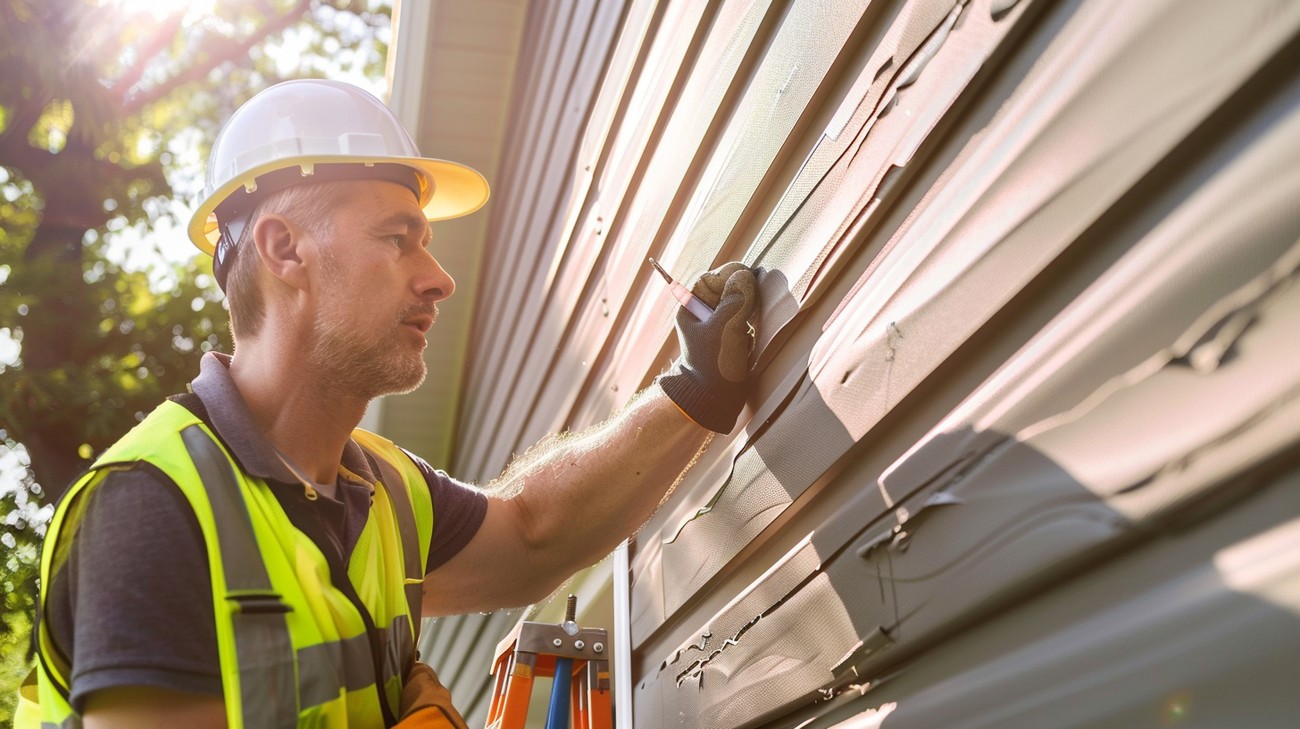
Troubleshooting Guide for Aluminum Siding Repair
1. Dents and Dings
Symptoms: Noticeable small indentations or marks on your aluminum siding.
Likely Causes: Hailstorms, accidental impacts, or objects striking the siding.
Step-by-Step Fixes:
- Clean the affected area with soapy water and a soft cloth to remove dirt and grime.
- Dry the area thoroughly with a clean towel.
- Use a hairdryer to heat the dent gently, making the aluminum more malleable.
- Quickly place a dry ice pack wrapped in a soft cloth over the dent. The sudden change in temperature can sometimes help pop the dent back out on its own.
- For stubborn dents, consider using a rubber mallet to gently tap from the inside out, if accessible.
When to Call a Professional: If the dents are extensive and multiple panels are affected, a professional assessment is wise.
Prevention Tips: Place barriers around areas vulnerable to impact, and keep large objects that can be blown by wind away from your siding.
2. Fading and Discoloration
Symptoms: Your siding appears dull or has an uneven color.
Likely Causes: Sun exposure and weathering over time lead to loss of color.
Step-by-Step Fixes:
- Wash the siding with a specialized aluminum siding cleaner and a soft brush to see if it restores any lost luster.
- Consider applying a coat of paint designed for metal to reintroduce vibrancy.
- Use a bonding primer before painting to ensure the paint adheres properly.
When to Call a Professional: If you're not comfortable with selecting the right products or undertaking the painting process.
Prevention Tips: Choose high-quality paint with UV resistance for aluminum siding to slow down the fading process.
3. Leaking Siding
Symptoms: Water spots or moisture inside your walls.
Likely Causes: Damaged or poorly sealed siding panels allowing water ingress.
Step-by-Step Fixes:
- Inspect for gaps or damages around the edges and seams of your siding.
- Apply a high-quality exterior caulk along any seams, edges, or gaps that appear unsealed.
- Replace any damaged flashing or panels promptly.
When to Call a Professional: If you notice extensive water damage or lack experience dealing with exterior sealants.
Prevention Tips: Regularly check and seal any cracks or gaps at least once a year.
4. Corrosion and Oxidation
Symptoms: Whitish, chalky substance or pitting on the siding.
Likely Causes: Exposure to harsh weather elements without protective coatings.
Step-by-Step Fixes:
- Clean the affected area with a vinegar and water solution to neutralize the oxidation.
- Rinse thoroughly and dry completely.
- Apply a protective wax or polish to restore the possibility of future corrosion.
When to Call a Professional: If corrosion has caused significant pitting or structural damage.
Prevention Tips: Regularly clean and wax your aluminum siding to create a barrier against oxidation.
5. Loose Siding Panels
Symptoms: Panels that rattle or have visibly shifted from their original placement.
Likely Causes: Wind damage or inadequate installation.
Step-by-Step Fixes:
- Start by gently pressing on the loose panel to realign it with its edge.
- Secure it back in place using appropriate fasteners for aluminum siding.
- Avoid over-tightening, which can cause denting.
When to Call a Professional: If the siding remains loose or various sections are affected, consulting a siding expert is advantageous.
Prevention Tips: Ensure correct installation by professionals, and regularly inspect fastening points.
6. Mold and Mildew
Symptoms: Black, green, or gray spots on the siding, usually in damp areas.
Likely Causes: Lack of sunlight and poor drainage or ventilation encourages mold growth.
Step-by-Step Fixes:
- Mix a solution of 1 part bleach to 10 parts water.
- Use a soft brush to apply and scrub the moldy areas.
- Rinse the siding well with a garden hose.
When to Call a Professional: If mold has penetrated beyond the surface or you experience allergic reactions while cleaning.
Prevention Tips: Trim back trees for more sunlight and ensure gutters direct water away from the siding efficiently.
7. Warping or Buckling
Symptoms: Panels appear wavy or bowed.
Likely Causes: Over-tightened nails or exposure to extreme heat causing expansion.
Step-by-Step Fixes:
When to Call a Professional:
If you have a significant area of warping or can't determine the cause of distortion.
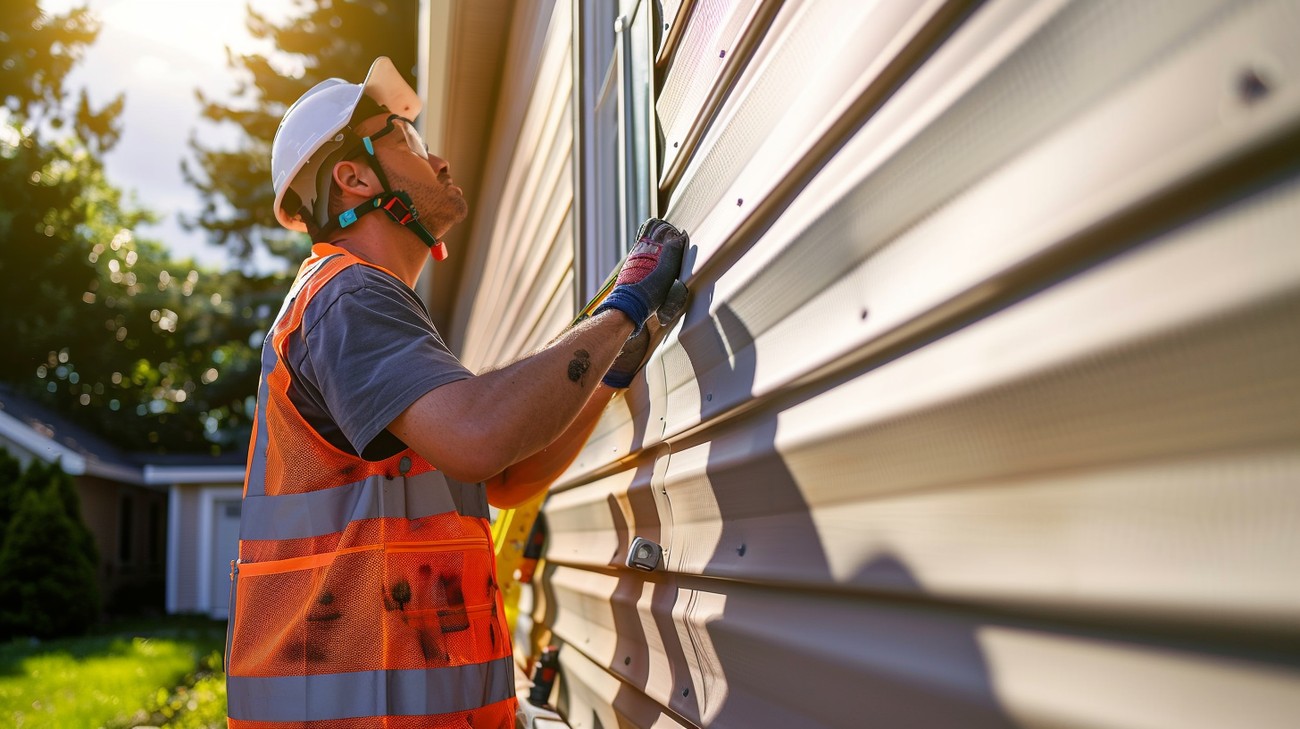
Final Thoughts
When it comes to aluminum siding repair, addressing any damage quickly can save you both time and money in the long run. Whether you’ve noticed a few dents or more significant issues like rust or paint peeling, tackling these problems sooner rather than later can keep your home in great shape and enhance its curb appeal, especially for homeowners in Sacramento, CA.
We understand that figuring out the best approach to your siding repairs can feel overwhelming, but you don’t have to navigate it alone. If you're looking for trusted expertise, reach out to us at GVD Builders & Construction. We’re here to answer your questions, offer professional advice, and help you schedule a consultation or request a free estimate tailored to your needs. Together, we can ensure your home stays beautiful and protected for years to come.
The content provided here is intended for informational purposes only and should not be considered professional advice. We recommend consulting with a qualified specialist before making any decisions related to your project. Pricing, product availability, and specifications are subject to change without notice. Any references to specific brands or products represent our opinions and do not constitute official endorsements or guarantees of performance.


